Whole or Ground Spices: When to Use Each
Whole spices build flavour slowly in oil or liquid; ground spices coat and season fast. Here is how to choose between them, with examples from Pakistani and South Asian cooking.
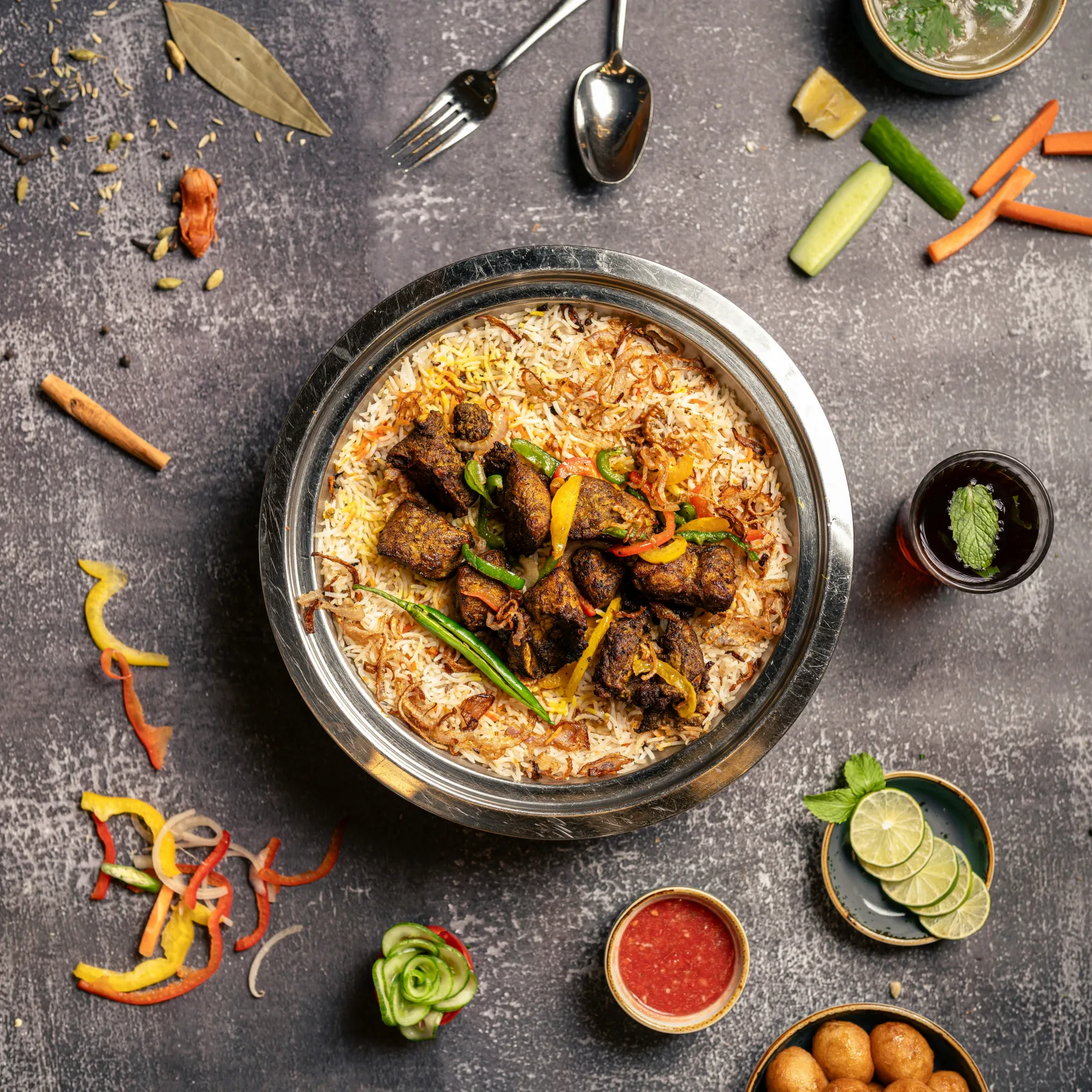
The short rule: use whole spices when you want gentle, layered flavour that infuses into oil, broth or rice. Use ground spices when you want the flavour to coat and blend into a masala, marinade or batter. Most good South Asian dishes use both, at different moments.
What whole spices do
Whole spices release flavour slowly because their oils are locked inside. Heat and time open them up. That makes them ideal for:
- Tempering (tarka or baghaar): cumin, cloves, cinnamon and bay leaf in hot oil or ghee at the start of a dish.
- Pulao and biryani: they perfume the rice without turning it muddy.
- Clear soups and stews: they flavour the liquid without clouding it.
- Long simmers: cinnamon sticks, black cardamom and peppercorns hold up for an hour or more.
The texture is the trade-off. Whole spices are not meant to be eaten, so you either pick them out or leave them on the side of the plate.
What ground spices do
Ground spices have far more surface area, so they dissolve into a dish quickly and distribute evenly. Use them when you want:
- Colour and body in a masala: red chilli, turmeric and coriander powder blend into the onion-tomato base.
- Marinades and rubs: the spice clings to meat and seasons the surface.
- Quick dishes: a fast sabzi or egg dish has no time for whole spices to infuse.
- Finishing: a pinch of garam masala or chaat masala at the end for a bright top note.
The trade-off is that ground spices lose aroma faster and burn easily. Fifteen seconds too long in hot oil and they turn bitter.
Quick comparison
| Whole | Ground | |
|---|---|---|
| Flavour release | Slow, gentle | Fast, strong |
| Best in | Oil, broth, rice | Masalas, marinades, rubs |
| When to add | Start of cooking | Middle (with moisture) or end |
| Burns easily? | Slowly | Very quickly |
| Shelf life | Longer | Shorter |
Where whole spices are the star
Rice dishes. In pulao, whole spices are fried in oil with onions, then the rice absorbs their aroma as it cooks. See Beef Pulao with Browned Onions and Whole Spices, Chana Pulao and Matar Pulao with cumin for three variations on the method.
Clear broths. Chicken Yakhni relies on whole spices simmered in water. Ground spices would make the broth cloudy and gritty, so whole is the right choice.
Coconut-based stews. In Kerala Chicken Stew with Coconut Milk and Whole Spices, whole spices give a mild, aromatic backdrop that lets the coconut milk stay creamy and pale.
Where ground spices are the star
Marinades. A ground-spice marinade sticks to the chicken and seasons it before cooking. Lahori Chargha is a good example: the spice paste coats the bird, which is steamed and then fried.
Karahi, qorma and curry bases. Ground chilli, turmeric and coriander are added once there is enough moisture in the pan (tomatoes, yoghurt or a splash of water) so they cook without scorching.
Dry rubs and kebabs. Ground spices mix into mince or coat the surface of the meat evenly.
Using both in one dish
Most home cooking follows this order:
- Whole spices first in hot oil for 20–40 seconds, until the cumin sizzles and the cloves puff slightly.
- Aromatics next: onion, ginger, garlic.
- Ground spices in the middle, once the onions are golden and there is some moisture in the pan. Stir for under a minute, adding a splash of water if it looks dry.
- Ground finishing spices at the end, such as garam masala, to keep the aroma fresh.
Swapping one for the other
You can substitute in a pinch, but the amount and timing change.
- Whole cumin to ground: use about ½ teaspoon ground for 1 teaspoon whole seeds, and add it later with the other ground spices, not to hot oil.
- Cinnamon stick to ground: use a small pinch (about ¼ teaspoon) and add it with the masala. Too much turns a dish bitter and dusty.
- Cloves and cardamom: ground versions are strong. Start with a pinch and taste.
- Ground to whole: you can grind whole spices in a mortar or spice grinder, but a dish designed around whole spices (like a clear broth or pulao) will taste different if you swap.
Treat these as starting points and adjust to taste.
Toasting and grinding at home
If you have a few minutes, grinding your own gives brighter flavour.
- Warm a dry pan on low-medium heat.
- Add whole spices such as cumin, coriander seeds or peppercorns.
- Stir for 1–2 minutes until fragrant and slightly darker. Do not let them smoke.
- Cool completely, then grind in a spice grinder or mortar.
Grind small batches, enough for a week or two, and keep them in a closed jar.
Storing spices
- Keep them in airtight jars away from the stove, where heat and steam shorten their life.
- Store whole spices whole until you need them.
- Smell before using. If a ground spice smells faint or dusty, use a little more or replace it.
- Buy ground spices in small quantities, and whole ones in slightly larger amounts if you cook with them often.
Which should you reach for tonight?
- Making rice, soup or a slow stew? Whole.
- Making a masala, marinade or quick sabzi? Ground.
- Building a proper curry? Both, in stages.
Once you understand what each form does, recipes become easier to adjust. You will know why a dish asks for a cinnamon stick at the start and a pinch of garam masala at the end.
 Pakistani
Beef Pulao with Browned Onions and Whole Spices
A everyday-style Pakistani pulao where beef is browned with onions and yogurt, then cooked with basmati in its own rich stock. Fragrant, full of flavour and made in one pot.
 Pakistani
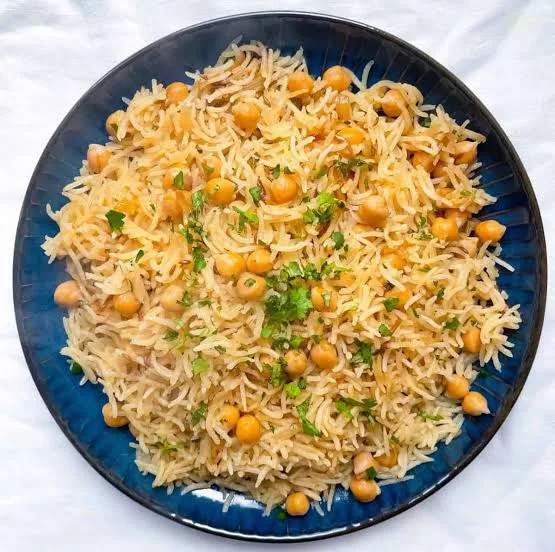
Chana Pulao
A one-pot rice dish of tender chickpeas and basmati, cooked in the chickpea broth with browned onions, yogurt and whole spices. Filling, meat-free and good for a weekday lunch.
 Pakistani
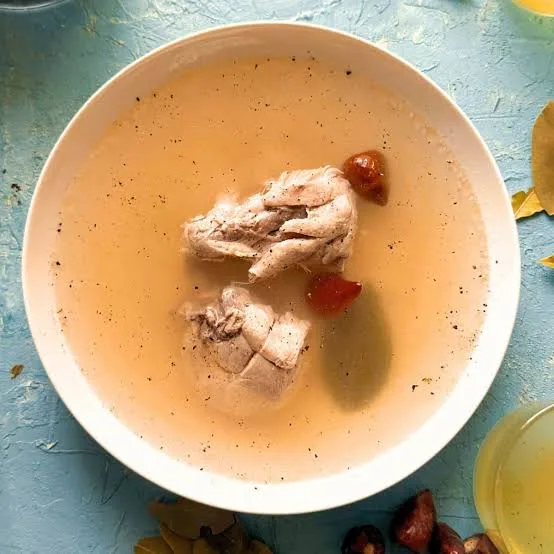
Chicken Yakhni
A clear, gently spiced chicken soup simmered with fennel, ginger, garlic and whole spices, then finished with shredded chicken and lemon. Warming, light and easy to make on a cold evening.
 Indian
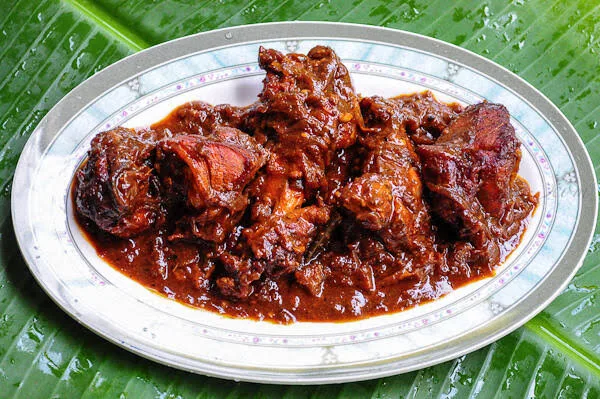
Kerala Chicken Stew with Coconut Milk and Whole Spices
A pale, gently spiced chicken and vegetable stew simmered in coconut milk with whole spices and green chillies. Mild, fragrant and comforting with appam, paratha or plain bread.
 Pakistani
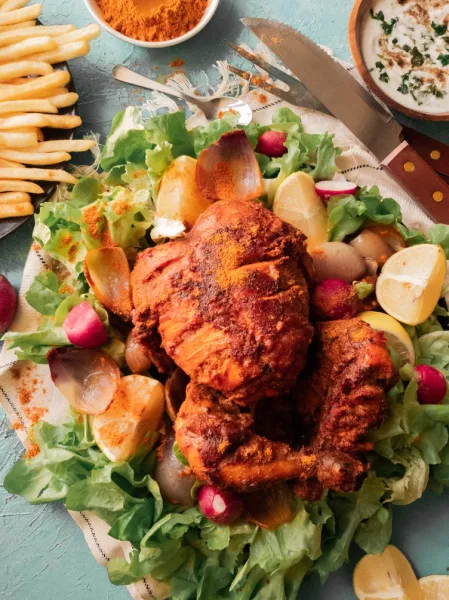
Lahori Chargha
Chicken pieces are marinated in a tangy, spiced yogurt paste, steamed until tender, then fried until deep red and crisp. Juicy inside, crackling outside, and made for sharing.
 Pakistani
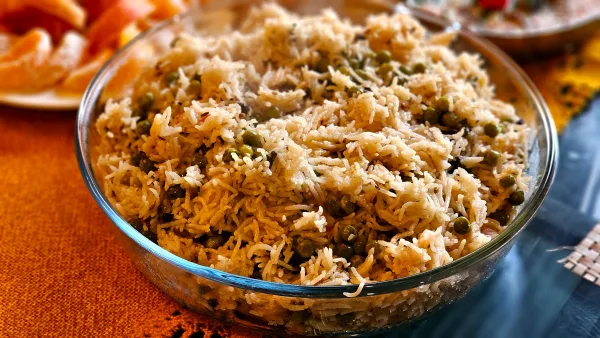
Matar Pulao
A fragrant, one-pot basmati pulao with sweet green peas, golden onions, cumin and whole spices. It's simple enough for a weekday lunch and good with raita.