Atta, Maida and Besan: The Flours in a Pakistani Kitchen
What each flour is, what it does in the pan or the dough, and how to store, swap and handle all three so your rotis, naans and pakoras turn out right.
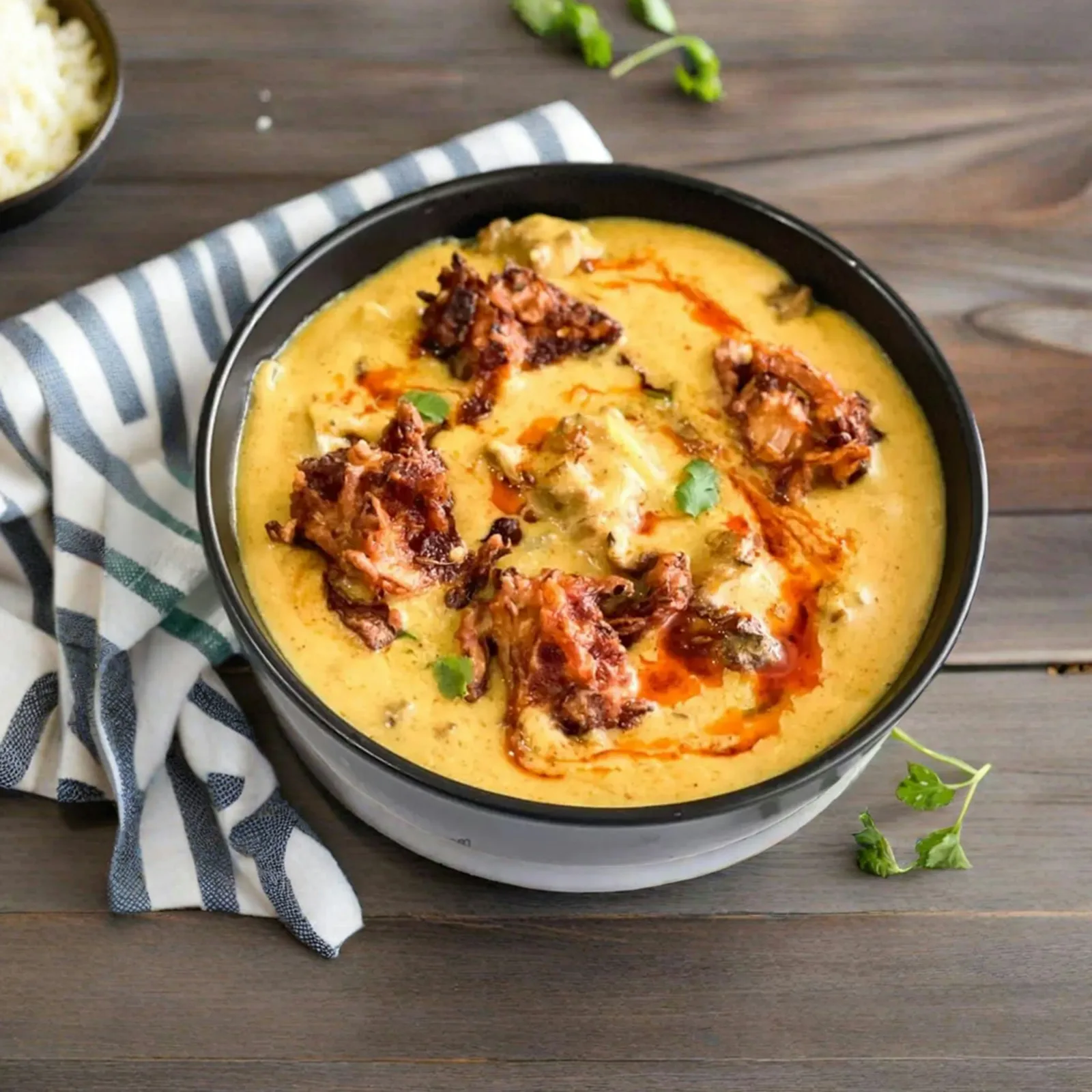
Most Pakistani kitchens keep three flours within arm's reach: atta for daily roti, maida for bakery-style breads, and besan for pakoras and curries. They look alike in a bowl, but they behave very differently. Knowing which to reach for saves a lot of failed dough.
The three flours at a glance
- Atta: whole wheat flour, milled fine, with the bran and germ included. It is golden-brown and smells nutty. It is the flour for chapati and paratha.
- Maida: refined wheat flour, with the bran and germ removed. It is white, soft and powdery. It gives lighter, chewier, more elastic breads such as naan and kulcha.
- Besan: flour ground from chana dal or chickpeas (gram flour). It is yellow, has no gluten, and is used as a batter, a thickener and a base for sweets.
Atta and maida both come from wheat, so both form gluten when mixed with water and kneaded. Besan does not. That single difference explains most of what follows.
Atta: for everyday roti
Atta is sold as chakki atta (stone-ground style) and as finer, packaged varieties. For chapati, look for a fine, evenly milled flour. Very coarse atta gives dough that tears when you roll it thin.
Water is the main variable. Atta absorbs more water than maida, and the bran keeps absorbing as the dough rests. A dough that feels slightly sticky right after mixing often turns soft and smooth 20 minutes later.
- Start with about half a cup of warm water per cup of atta and add more a spoonful at a time.
- Knead for 5–8 minutes until the dough is smooth and springs back slowly when pressed.
- Cover and rest for at least 20–30 minutes before rolling.
- Dust lightly with dry atta while rolling, and shake off the excess before the roti goes on the tawa. Extra flour burns and tastes bitter.
Our chapati recipe walks through the dough and cooking step by step, and it's a good baseline to learn the feel of atta.
Maida: for soft, stretchy breads
Maida makes dough that is lighter and more elastic than atta. It is the usual choice for naan, kulcha, and many fried and baked snacks. Because it has no bran, it does not brown in the same way, and the flavour is milder.
For yogurt-leavened breads, the dough should be soft and a little tacky. Too much flour makes naan dense.
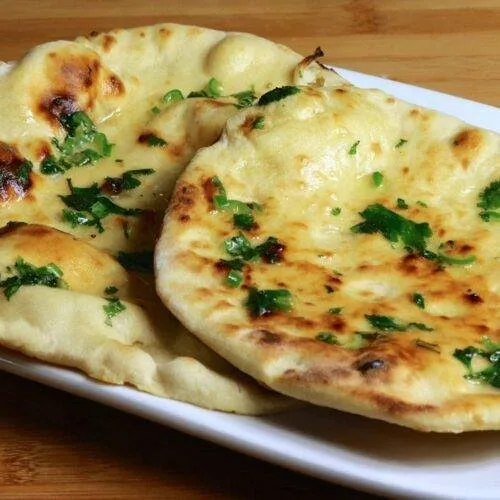
- Tawa Naan is the one to try if you don't have a tandoor. A hot, heavy griddle does the job.
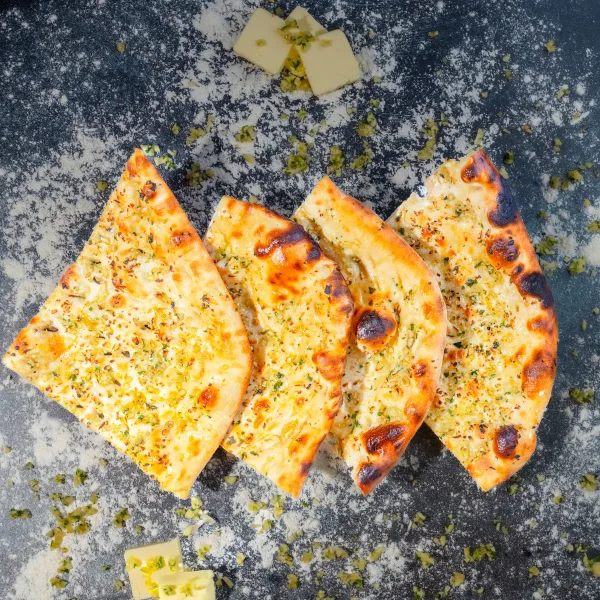
- Garlic Naan and Roghni Naan build on the same kind of soft dough, finished with garlic or a glossy top of roghan-style topping.
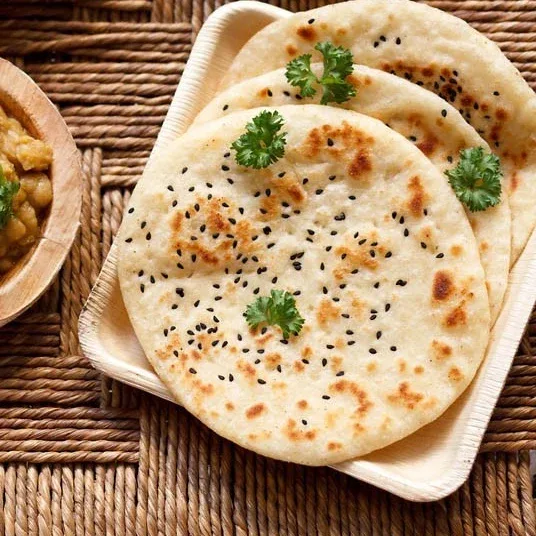
- Kulcha bakes in a home oven and is finished with nigella and sesame seeds.
Whichever recipe you choose, use the flour it lists. Flour type changes how much liquid the dough needs, so a swap usually means adjusting the water too.
Besan: the flour that doesn't behave like wheat
Besan has no gluten, so it never becomes stretchy. Instead, it thickens and binds. Whisked with water and spices, it makes the batter for pakoras. Cooked in yogurt, it thickens a curry. It is also used in sweets such as ladoo.
For a smooth batter:
- Sift the besan into the bowl to break up clumps.
- Add water gradually while whisking in one direction.
- Beat the batter for a couple of minutes. Air worked in during whisking helps fritters turn out lighter.
- Aim for a thick, coating consistency, like a pouring paste that clings to a spoon.
Season the batter well. Salt, red chilli, ajwain, cumin, and chopped onion or spinach are all typical.
For kadhi: besan must be whisked into the yogurt while both are cold or at room temperature, before any heat. Adding it straight into a hot pot makes lumps. Once combined, cook the mixture on low heat, stirring often, until it thickens and loses the raw flour smell. The full method is in our Kadhi Pakora recipe, which also covers the fried fritters that go into it.
Can you swap one for another?
Not evenly, and not in most recipes. Here are the common cases.
- Atta for maida: you can, but expect a denser, darker bread that needs more water. Some cooks mix the two for paratha or naan. Start with a small share of atta and see how it handles.
- Maida for atta in roti: it will roll easily but taste plain and can feel less sturdy. Roti made from maida is a different bread.
- Besan for either wheat flour: don't. It has no gluten, so dough will crumble.
- Wheat flour for besan in a batter: it will work as a coating, but the flavour and texture will not be the same as pakoras made with besan.
Storing your flours
Flour is a dry ingredient but it is not permanent. Store all three properly.
- Keep flour in an airtight container, in a cool, dry place away from the stove.
- Once opened, decant the bag into a container with a lid. It keeps out moisture and pests.
- Atta and besan carry more natural oils than maida, so smell them before use. A sour, musty or stale smell means it is past its best.
- Label the container with the date you opened the bag.
- During humid months, buy smaller amounts more often.
- Keep the scoop dry. A wet spoon in the flour leads to clumps and spoilage.
What to stock and use tonight
If you only buy three bags, get one each of atta, maida and besan. Make chapati from atta for dinner. Keep maida for weekend naan or kulcha when you have time for the dough to rise. Use besan when you want a crisp fritter or a tangy kadhi.
Once you know how each flour handles water, you can read almost any Pakistani bread or batter recipe and predict how the dough will feel in your hands.
 Pakistani
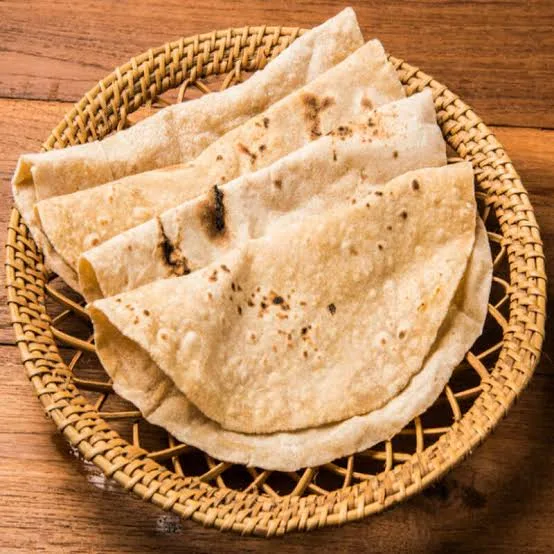
Chapati
Soft, thin whole wheat flatbreads cooked on a tawa until they puff and show light brown spots. Make them fresh to scoop up daal, sabzi and curries at dinner.
 Pakistani
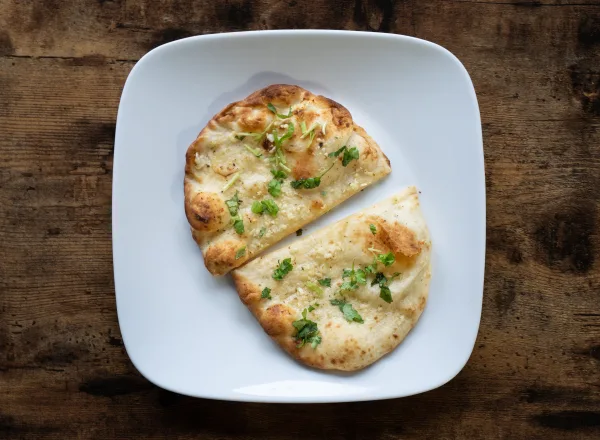
Garlic Naan
Soft, blistered oven-baked naan brushed with garlic and coriander butter. It needs no tandoor, just a very hot tray, and it's ideal for scooping up karahi or daal.
 Pakistani
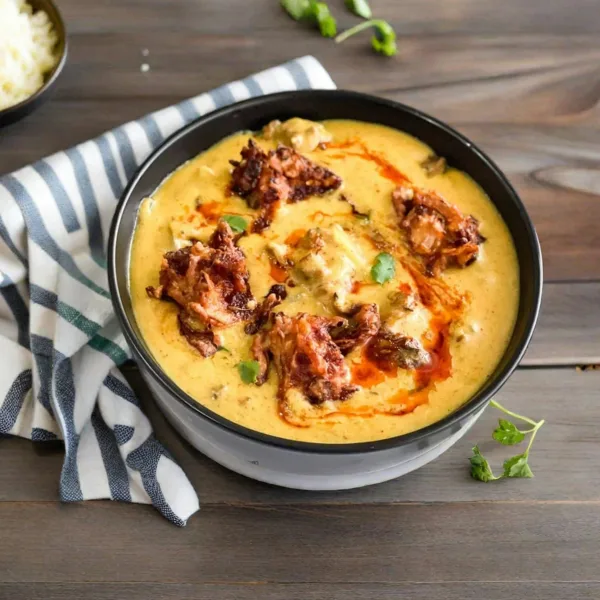
Kadhi Pakora
A tangy, silky yogurt and besan curry simmered slowly and topped with soft onion pakoras and a sizzling cumin-chilli tarka. It's a comforting Punjabi-style lunch to serve with plain rice.
 Pakistani
Kulcha
Soft, fluffy round breads made with yogurt and milk, topped with nigella and sesame and brushed with butter. They bake in a hot home oven and go well with chanay, daal or any curry.
 Pakistani
Roghni Naan
Soft, slightly rich oven-baked naan brushed with ghee and topped with sesame and nigella seeds. It's made with milk and egg, so it stays tender and needs no tandoor.
 Pakistani
Tawa Naan
Soft, bubbly naan made with yogurt and milk, cooked on a hot tawa or in the oven. A dependable flatbread for karahi, daal and kababs, no tandoor needed.