How to Use Yogurt in Cooking Without It Splitting
Curdled gravy usually comes down to heat, acid and timing. Here is how to keep dahi smooth in curries, kadhi, koftas and more.
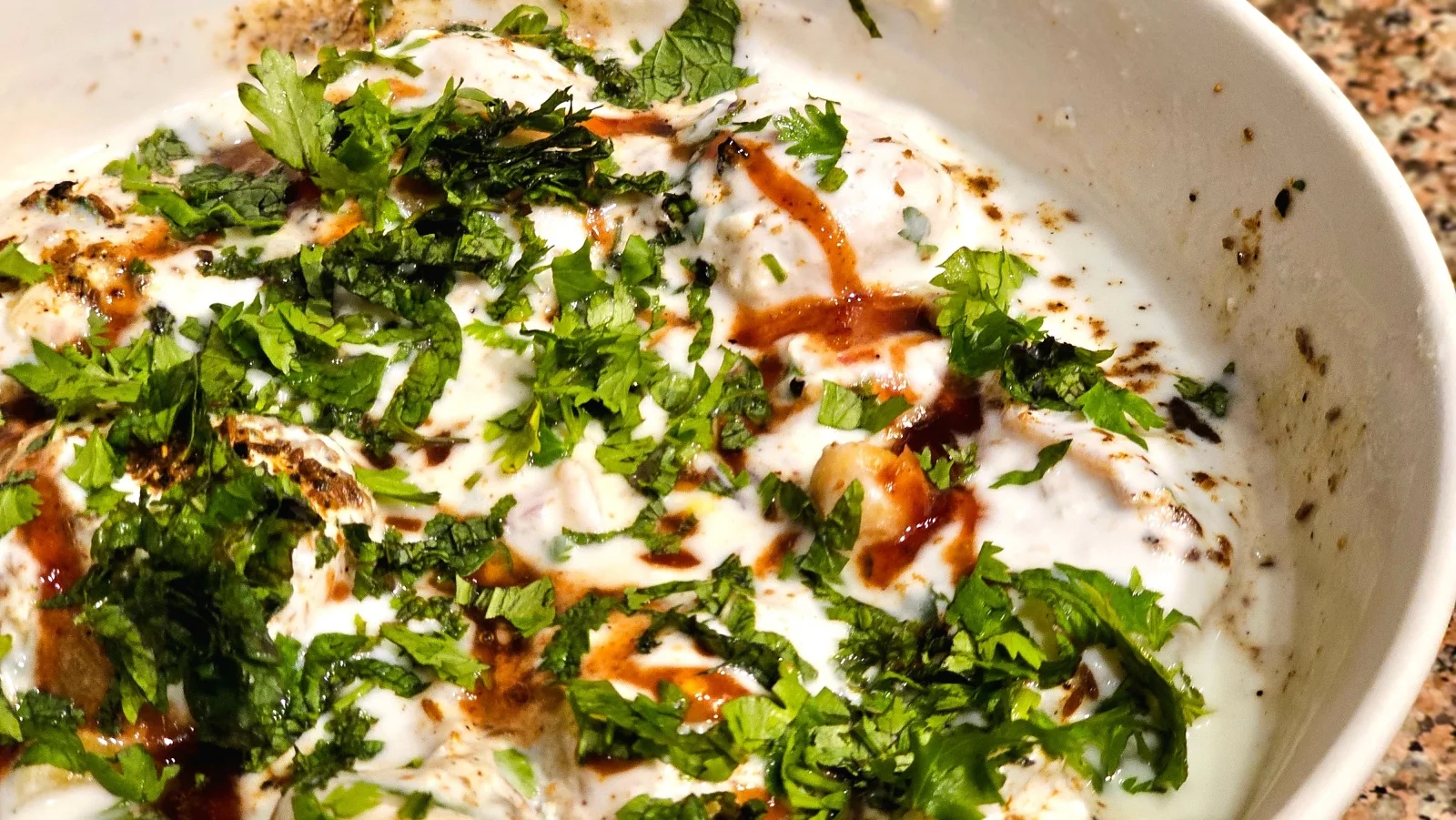
Yogurt splits because its proteins tighten and clump when they get too hot, too fast, or sit in too much acid. The result is a gravy with grainy white bits floating in thin, oily liquid. It tastes fine, but it looks bad and feels rough.
The fix is not one trick. It is a few small habits that you can apply to almost any dahi-based dish tonight.
Why yogurt splits
Yogurt is made of milk proteins suspended in liquid. Three things push those proteins to clump and squeeze out whey:
- Sudden heat. Cold yogurt dropped into a sizzling masala shocks the proteins.
- Hard boiling. Even well-mixed yogurt can curdle if the pot bubbles vigorously.
- Lots of acid or salt early on. Sour yogurt, tomatoes, and lemon juice all make it more fragile.
Low-fat yogurt splits more easily than full-fat because it has less fat to cushion the proteins. If you can choose, use full-fat dahi for cooking.
Start with the right yogurt
- Use fresh or mildly sour dahi. Very sour yogurt is already close to curdling before it hits the pan.
- Choose full-fat. Made from whole milk, it holds up far better in gravies.
- Bring it to room temperature. Take it out of the fridge 20–30 minutes before cooking.
- Avoid lumpy or watery yogurt. If a lot of whey has collected on top, stir it back in or, for a thicker result, drain it in a cloth for 15 minutes.
Whisk it smooth first
Never add yogurt straight from the tub as a solid mass. Beat it in a bowl with a whisk or fork until it is completely smooth and pourable. If your recipe calls for a thin gravy, a splash of water in the bowl helps.
For extra stability, whisk in a small amount of gram flour (besan), cornflour, or plain flour. Around 1 teaspoon per cup of yogurt is a reasonable start. The starch coats the proteins and slows down clumping. This is exactly why traditional kadhi pakora works: the besan keeps the yogurt stable through a long simmer.
Temper the yogurt before it meets the pot
Tempering means warming the yogurt gradually so it does not get a shock.
- Whisk the yogurt smooth in a bowl.
- Take the pan off the heat, or turn the flame to its lowest setting.
- Add one spoonful of the hot masala or gravy to the yogurt and stir quickly.
- Add a second and third spoonful the same way.
- Pour the warmed yogurt into the pan in a slow stream, stirring constantly.
This takes about a minute and saves a dish.
Control the heat
After the yogurt is in, keep the pot at a gentle simmer, never a rolling boil. Small bubbles breaking at the edge are fine. Big, fast bubbles are not.
A few practical habits:
- Cook the masala first, then reduce the heat before adding yogurt. Onions, ginger-garlic, and spices should be well cooked already.
- Stir in one direction if the recipe is a traditional one. It is less important than stirring constantly, but it keeps you consistent.
- Cook uncovered at first. Condensation dripping back can create hot spots.
- Use a heavy-bottomed pan. Thin pans have hot spots that scorch and curdle yogurt.
Add acid and salt late
Tomatoes, tamarind and lemon juice are acidic. If a recipe has both yogurt and tomatoes, cook the tomatoes down until soft and oily first, then lower the heat and add the yogurt. Add lemon juice at the very end, off the heat. Salt can go in with the spices, but avoid heavy salting of the yogurt itself while it sits at room temperature for a long time.
The bhunai method for curries
In many Pakistani kitchens, yogurt-based gravies use a technique of stirring and frying yogurt in the masala until the oil separates. This is deliberate, and it looks like splitting, but it is a controlled reduction. The yogurt is whisked, added on low heat, and stirred continuously until it thickens and the oil rises. After that, it will not split further when you add water.
If you want a smooth, creamy gravy instead, skip the long frying. Whisk, temper, and simmer gently. Both are valid, and you should know which one your recipe wants. The nargisi kofta in yogurt onion gravy is a good example of a dish where a smooth gravy matters, since the eggs and meatballs sit in it.
When you do not cook the yogurt at all
Some of the best dahi dishes never touch a flame, so there is nothing to split.
- Raita: Whisk the yogurt until smooth, then fold in cucumber, roasted cumin, and salt. Try the mint raita with roasted cumin. Add salted vegetables just before serving so they do not water down the yogurt.
- Dahi baray: Soaked fritters sit in whisked, seasoned yogurt at room temperature or chilled. See dahi baray with tamarind chutney.
- Lassi: Blend cold yogurt with water and sugar or salt. The sweet and salted lassi is a quick way to practise getting a smooth texture.
Yogurt in batters and baking
In baking, yogurt is protected by flour and eggs, so splitting is not a concern. The main rule is to let it come to room temperature so the batter mixes evenly. In fluffy yogurt pancakes, cold yogurt can make the batter lumpy and make the butter clump when added. Mix gently and rest the batter for a few minutes.
Fixing a split gravy
If it curdles anyway, do not throw it away.
- Take the pan off the heat immediately.
- Add a splash of cold water or a spoon of fresh, smooth yogurt and whisk hard.
- For a stubborn split, use a hand blender for a few seconds. The gravy will come together, though it may be slightly thinner.
- Return it to very low heat, and do not let it boil.
A gravy that has split from a hard boil will not fully return to its original texture, but blending makes it perfectly serving-worthy.
Quick checklist
- Use full-fat, fresh dahi at room temperature.
- Whisk until completely smooth.
- Stabilise with a little besan or cornflour for long simmers.
- Lower the heat before adding it, and temper with hot gravy.
- Stir constantly for the first two minutes.
- Simmer gently, never boil hard.
- Add lemon juice and other sharp flavours at the end.
 Pakistani
Dahi Baray
Soft, pillowy lentil dumplings soaked in whisked yogurt and topped with sweet-sour tamarind chutney and chaat masala. A cool, tangy snack for iftar or a gathering.
 American
Fluffy Yogurt Pancakes
Thick, fluffy buttermilk-style pancakes made with yogurt and milk, so there is no need to buy buttermilk.
 Pakistani
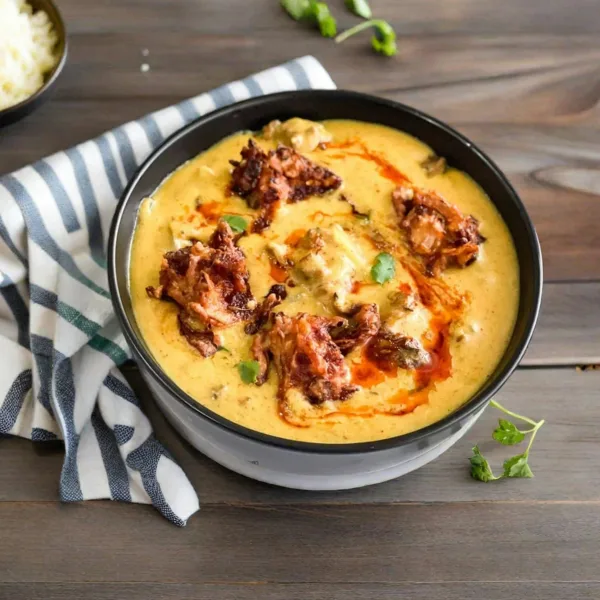
Kadhi Pakora
A tangy, silky yogurt and besan curry simmered slowly and topped with soft onion pakoras and a sizzling cumin-chilli tarka. It's a comforting Punjabi-style lunch to serve with plain rice.
 Pakistani
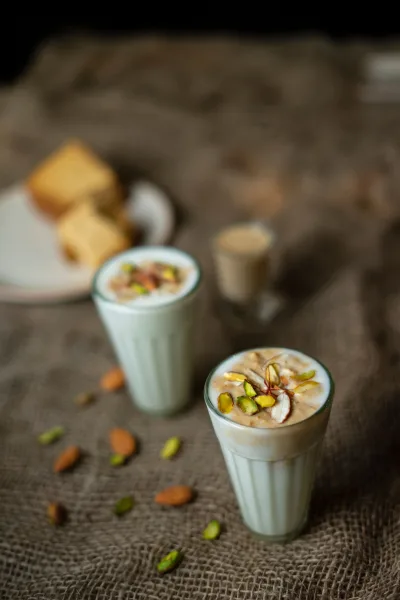
Lassi
Thick, cooling Punjabi-style yogurt lassi with two easy versions: a sweet one scented with cardamom and rose, and a salted one with roasted cumin and mint. Ready in ten minutes.
 Pakistani
Mint Raita
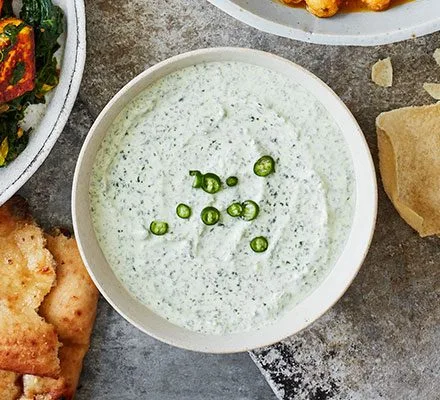
A cooling, pale green yogurt side with fresh mint, roasted cumin and a little green chilli. Serve it beside biryani, pulao or grilled meat to calm the heat.
 Pakistani
Nargisi Kofta
Soft boiled eggs wrapped in spiced beef mince, browned, then simmered in a smooth yogurt and fried-onion gravy. It looks impressive on the table and suits Sunday dinners or guests.