Best Substitutes for Common Ingredients in Your Kitchen
Out of yogurt, eggs or tamarind halfway through a recipe? These swaps use ingredients Pakistani kitchens usually already have, with ratios you can trust.
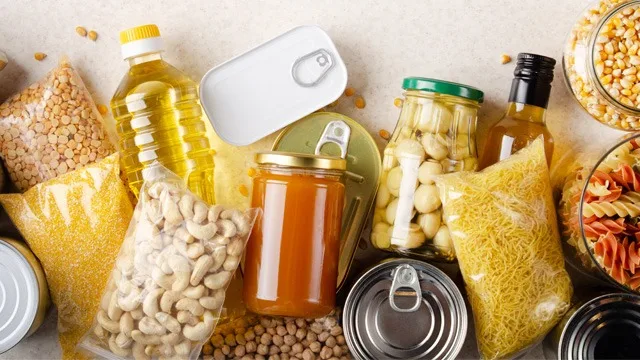
You're halfway through a recipe and the jar is empty. Before you send someone to the corner shop, check this list. Most gaps can be filled with something already in your kitchen, as long as you know the ratio and what changes in the final dish.
Dairy swaps
Yogurt (dahi)
- For marinades: use equal amounts of buttermilk (lassi, unsweetened) or thin sour cream. Add a squeeze of lemon if it tastes flat.
- For baking: mix ½ cup milk with 1 tablespoon lemon juice or white vinegar, rest 5 minutes, then use in place of ½ cup yogurt.
- For curries: use cream mixed with a little lemon juice. Add it off the heat so it doesn't split.
Buttermilk
- 1 cup milk plus 1 tablespoon lemon juice or vinegar. Stir and leave for 5–10 minutes until slightly thick.
Heavy cream (malai)
- For curries and soups: blend 3 tablespoons of soaked cashews or melon seeds with ½ cup milk until smooth.
- For richness in gravies: full-fat milk simmered down, or a spoon of milk powder stirred into warm milk.
- Whipping will not work with these swaps. Only real cream whips.
Butter
- In cooking: ghee or oil. Use about 80% of the butter amount in ghee, since butter contains water.
- In baking: use oil in simple cakes and muffins. Use about ¾ of the butter amount. Cookies will spread more and turn out crisper.
Milk
- Equal amounts of water plus milk powder (follow the packet), or half evaporated milk and half water.
Egg swaps
Eggs do different jobs, so choose by purpose.
- Binding (kebabs, koftas): 1 egg = 2 tablespoons besan or breadcrumbs plus a splash of water. Mashed potato also works well.
- Cakes and muffins: 1 egg = ¼ cup yogurt, or ½ a mashed ripe banana, or ¼ cup condensed milk (reduce sugar in the recipe).
- Lift: 1 egg = 1 tablespoon vinegar plus 1 teaspoon baking soda, added last and baked straight away.
- Egg wash: brush with milk, or a little oil mixed with milk, for a softer shine.
Flour and thickeners
Maida (all-purpose flour)
- Use fine atta (sifted) for about half the amount to keep things tender. Fully swapping gives a denser, heavier bake.
Cornflour (cornstarch)
- Use double the amount of maida to thicken sauces. Cook it for a couple of minutes to remove the raw taste.
- Rice flour works 1:1 for crisp coatings.
Baking powder
- 1 teaspoon = ¼ teaspoon baking soda plus ½ teaspoon lemon juice or vinegar, or ½ teaspoon cream of tartar.
Besan (gram flour)
- No exact match, but ground roasted chana dal or finely blitzed raw chickpeas from a dry grinder come very close for pakoras.
Sour agents
Tamarind (imli)
- 1 tablespoon paste = 1 tablespoon lemon juice plus ½ teaspoon brown sugar or gur. Good for chaats and chutneys.
Lemon juice
- Equal amounts of white vinegar, using slightly less (¾). Or use amchur (dry mango powder): ½ teaspoon per tablespoon of lemon juice.
Anardana (dried pomegranate seeds)
- Amchur, or a little tamarind. Start small and taste.
Tomatoes
- 1 medium tomato = 1 tablespoon tomato paste plus 2 tablespoons water. In a pinch, a spoon of yogurt gives tang without the colour.
Aromatics and spices
Fresh ginger
- �
� teaspoon ground ginger (sonth) per 1 tablespoon fresh. Add it with the other dry spices, not with the onions.
Garlic
- ¼ teaspoon garlic powder per clove. Fresh is better, but powder is fine for marinades and rubs.
Green chilli
- ¼ teaspoon red chilli powder per green chilli, or a pinch of crushed red pepper flakes.
Garam masala
- Combine equal parts ground cumin and coriander with a pinch each of cinnamon, clove and black pepper. Add it at the end of cooking.
Coriander leaves (dhaniya)
- Mint or celery leaves for garnish. For flavour inside a dish, use a little ground coriander at the start.
Kasuri methi
- Fresh methi leaves, using three times the amount, cooked until the moisture evaporates. Or a small pinch of fennel seed for aroma, though the taste will differ.
Saffron (zafran)
- A pinch of turmeric gives colour only. Add a few drops of kewra and a little cardamom for aroma.
Sweeteners
- Sugar: grated gur or jaggery, roughly 1:1 by weight. It adds a caramel flavour and darker colour.
- Brown sugar: 1 cup white sugar plus 1 tablespoon molasses or gur syrup.
- Honey: equal amounts of sugar syrup (1 part sugar dissolved in 1 part hot water), though you lose the flavour.
- Icing sugar: blitz regular sugar in a dry grinder until powdery. Add 1 teaspoon cornflour per cup if storing.
Oils, fats and pantry basics
- Ghee: butter, gently melted and skimmed, for most cooking. Oil plus a small knob of butter gives a similar flavour.
- Coconut milk: blend grated coconut with hot water and strain. Or use 3 tablespoons milk powder in ¾ cup warm water with a spoon of oil.
- Breadcrumbs: crushed cornflakes, crushed plain biscuits or toasted bread ground in a chopper.
- Vinegar: lemon juice, using slightly more.
- Soy sauce: 1 tablespoon = 1 tablespoon Worcestershire sauce, or ½ tablespoon vinegar plus ½ teaspoon salt and a pinch of sugar.
- Stock cube: a spoon of the boiled water from the meat, plus salt and a pinch of ground pepper.
Rules that make any swap work
- Change one thing at a time. If you swap the fat and the sugar, you won't know which change caused the problem.
- Add gradually. Add half the substitute, taste, then adjust. It's easy to add and impossible to remove.
- Match the job. Ask what the ingredient does: sour, sweet, binding, thickening, colour or aroma. Pick a swap that does the same job.
- Adjust liquid. Swapping a wet ingredient for a dry one (or the reverse) means adding or reducing water or milk a spoonful at a time.
- Expect small differences. Colour, texture and flavour may shift a little. That's normal.
When not to substitute
Some ingredients are the whole point of a dish. If the recipe is built around saffron in biryani, fresh yogurt in raita, or whipped cream in a dessert, a swap will change the character of the dish. In those cases, it's usually better to make something else tonight and save the original recipe for when you have the right ingredient.