Regional Pakistani Food at Home: Punjab, Sindh, Khyber Pakhtunkhwa and Balochistan
Four provinces, four ways of cooking. Here is what defines each one, which dishes to try first, and how to pull them off in an ordinary home kitchen.
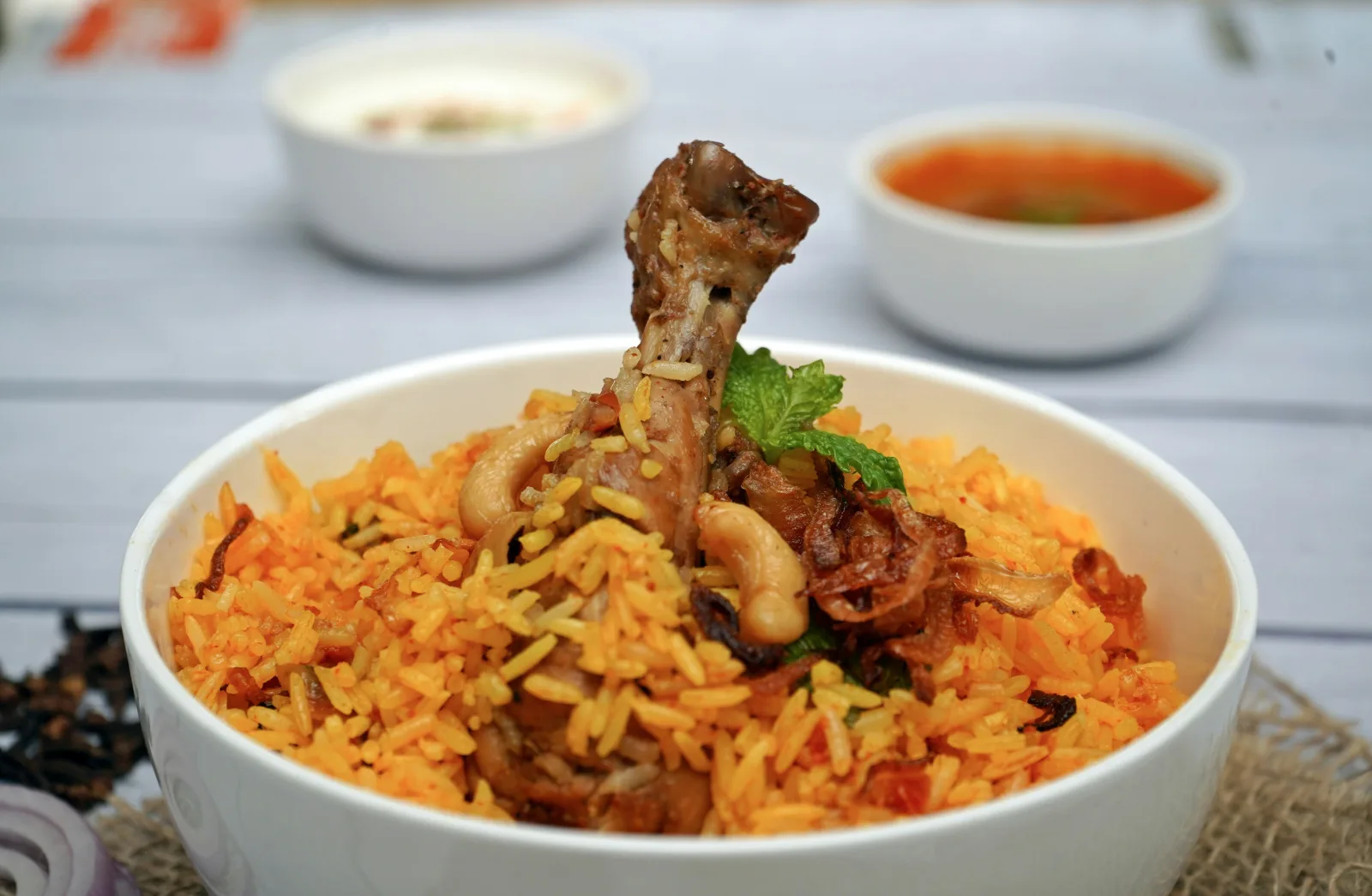
Pakistani food is not one cuisine with a single masala box. Each province cooks with different priorities: richness in Punjab, heat and tang in Sindh, meat and restraint in Khyber Pakhtunkhwa (KP), and smoke and salt in Balochistan. Once you see the pattern, you can cook a different region each week without buying a new pantry.
The pantry that covers all four provinces
Stock these and you can attempt nearly everything below:
- Whole spices: cumin, coriander seeds, black peppercorns, green and black cardamom, cloves, cinnamon
- Red chilli flakes and powder, turmeric, dried fenugreek leaves (kasuri methi)
- Ginger, garlic, green chillies, fresh coriander
- Yogurt (full-fat gives the best results), ripe tomatoes, onions
- Ghee and neutral oil
- Good-quality bone-in meat: chicken, mutton or beef
Most regional differences come from which of these you lean on and when you add them, not from exotic ingredients.
Punjab: generous, buttery, built for sharing
Punjabi cooking is known for its use of ghee, butter and dairy, plus slow-cooked greens and bread baked in a tandoor. Think of sarson da saag with makki di roti in winter, lassi, and street snacks.
What to cook:
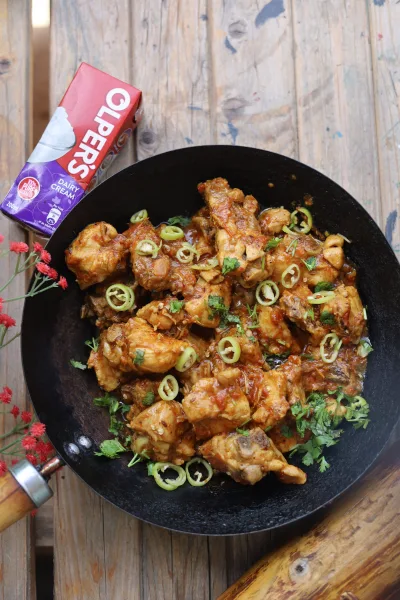
- Chicken karahi. A wok-style dish cooked fast over high heat. The Punjabi approach often includes ginger, garlic, green chillies and a little more masala. Start with our Chicken Karahi and keep the flame high so the tomatoes break down into a thick coating rather than a watery gravy.
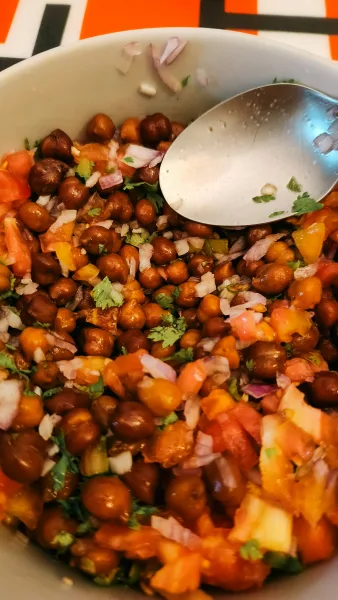
- Chana chaat. Chickpeas, onion, tomato, chillies, lemon and chaat masala. It's a quick, no-fuss snack. Our Chana Chaat works well for guests because you can boil the chickpeas earlier in the day and dress them at the last minute.
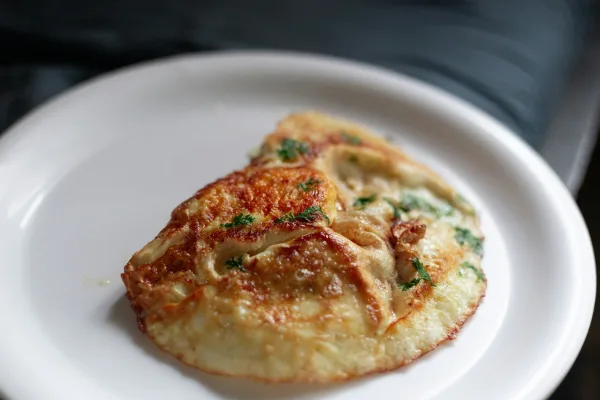
- A proper breakfast. Halwa puri or paratha with a spiced Masala Omelette is a classic weekend spread.
Sindh: tangy, spicy and layered
Sindhi food tends to be bolder with chilli and sourness. Yogurt, tomatoes, dried plums (aloo bukhara) and tamarind all play a role. Fish and river-based dishes are part of the tradition, as are vegetable-heavy dishes like sai bhaji (spinach with lentils and vegetables).
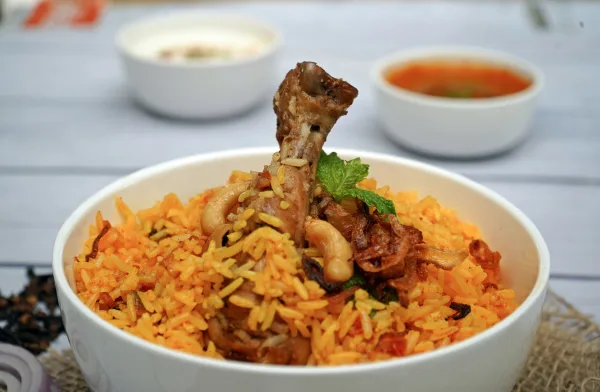
The dish most people know is Sindhi biryani. It differs from other biryanis in a few notable ways:
- Potatoes are cooked in with the meat.
- Dried plums and plenty of green chillies add tang and sharp heat.
- The masala is fried and layered generously with the rice, along with mint and coriander.
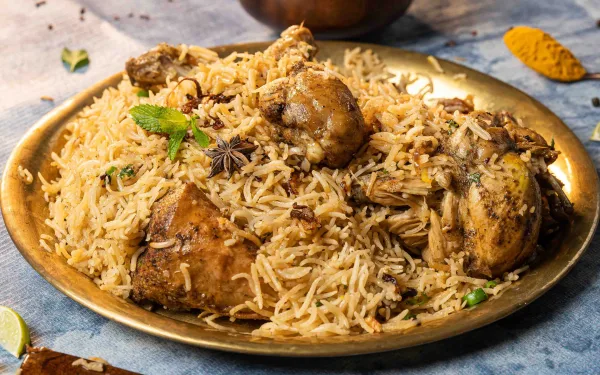
Try our Sindhi Biryani when you have a free afternoon. If you have never made biryani before, Chicken Biryani is a good first step for learning the layering and dum (steam) technique, and you can then work towards the Sindhi version.
Khyber Pakhtunkhwa: meat first, spices second
KP cooking, especially around Peshawar, generally lets the meat do the talking. Dishes tend to use fewer spices than Punjabi or Sindhi food, with salt, tomatoes, black pepper and fat carrying the flavour.
What to look for:
- Namkeen gosht. Meat cooked with salt, a little oil or fat, garlic and green chillies, and often little else. Use good meat on the bone and cook it slowly in its own juices.
- Chapli kebab. A flat, spiced minced-meat patty, usually made with coriander seeds, pomegranate seeds, tomato and green chillies, and shallow-fried.
- Peshawari-style karahi. Many home cooks make it sparingly: meat, tomatoes, salt, green chillies and fat. Compare it to the Punjabi version by making our Chicken Karahi with the ginger and extra masala cut back.
- Green tea (qehwa). Often served after heavy meals.
Cooking the same dish two ways is the fastest way to taste the regional difference.
Balochistan: simple, smoky and salt-forward
Balochi food is often about slow cooking and very little else. Sajji, whole lamb or chicken seasoned mostly with salt, and sometimes a few spices, then roasted slowly over fire, is the best-known dish. It's usually served with rice or flatbread. Other traditions include dried and preserved meat such as landhi, and rustic breads baked with meat inside, such as kaak.
You can borrow the approach at home:
- Rub a whole chicken (or large bone-in pieces) with salt, a little crushed black pepper and, if you like, a little garlic.
- Rest it for a few hours in the fridge.
- Roast in a hot oven, or on a grill with lid down, turning until the skin is deeply browned and the juices run clear.
- Serve with plain rice and flatbread, and something sharp, like sliced onion and lemon.
The point is restraint: good meat, correct salt, patience.
Cook a different province each night
Here's a simple way to try all four in one week, with little overlap in work:
- Monday, Punjab: Chana Chaat as a starter, then karahi with roti.
- Wednesday, Sindh: Biryani, using the Sindhi Biryani recipe.
- Friday, KP: Namkeen gosht or chapli kebab, with naan.
- Sunday, Balochistan: Salt-roasted chicken with rice.
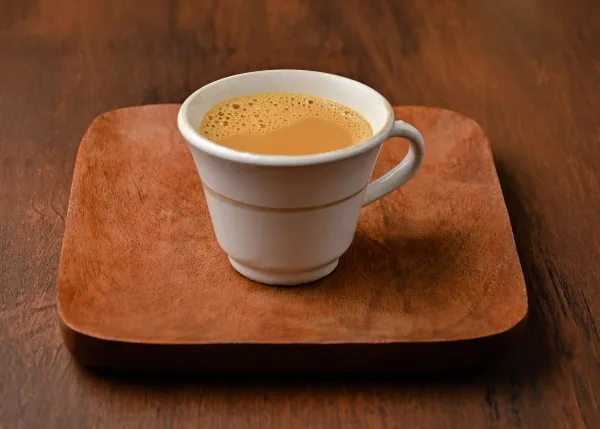
Finish any of these evenings with a pot of Doodh Patti Chai, or switch to green tea when you're cooking KP.
Common mistakes to avoid
- Treating all regions as "spicy." Chilli levels vary widely. KP and Balochistan dishes often rely more on meat quality and salt than heat.
- Rushing the onions. In biryani and karahi-style gravies, the browning stage sets the flavour. Take your time.
- Skipping the resting time. Meat, biryani and kebab mixtures all benefit from a short rest, whether it's after cooking or before frying.
- Using lean cuts for slow dishes. Bone-in, fattier cuts give better results in gosht and roasts.
Start with whichever province is closest to what you already cook, then push out from there. The differences will make sense as soon as you taste them side by side.
 Pakistani
Chana Chaat
Tangy chickpea salad with potato, onion, tomato and tamarind chutney. The iftar favourite that works any afternoon.
 Pakistani
Chicken Biryani
Layers of long-grain basmati and a tangy, spiced chicken masala, steamed together until every grain stays separate. Made with potatoes and dried plums, the way many Karachi homes make it.
 Pakistani
Chicken Karahi
Chicken cooked hard and fast in a wok-shaped karahi with tomatoes, green chilies and ginger. No onions, no cream, and ready in under an hour.
 Pakistani
Doodh Patti Chai
Strong black tea brewed straight in milk, the way it is poured at dhabas across Pakistan. Add cardamom if you like.
 Pakistani
Masala Omelette
The dhaba-style omelette: eggs beaten with onion, tomato, green chili and coriander, cooked thin and folded.
 Pakistani
Sindhi Biryani
A tangy, herb-heavy mutton biryani from Sindh, layered with fried potatoes, dried plums and green chillies. It's spicier and more sour than most biryanis, and it makes a full dinner for a crowd.