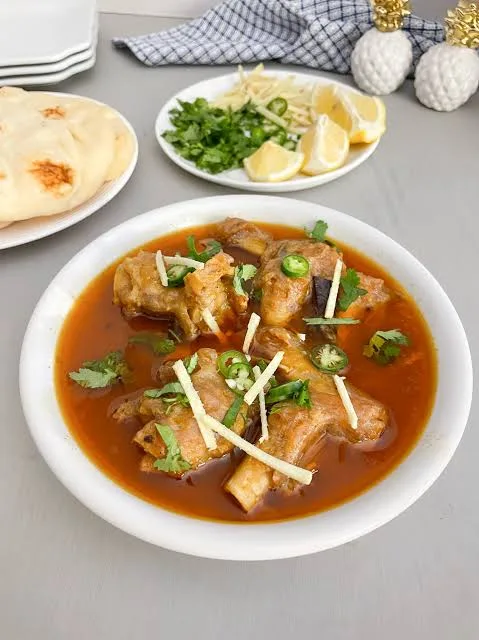
Paya (Slow-Cooked Trotters)
Goat trotters simmered with onions, yogurt and whole spices until the gravy turns silky and the meat slips off the bone. A classic weekend breakfast to eat with naan.
Ingredients
Equipment: Large pressure cooker (6 litre or bigger), or a heavy-bottomed pot with a tight lid; small pan for the final tarka
Method
Rinse the trotters well under cold running water and check for any leftover hair or hoof bits; pick them off or ask the butcher to re-singe. Place them in a large pot, cover with water and add the vinegar and 1 tsp salt.
Bring to a boil and cook for 10 minutes; grey scum will rise. Drain into a colander, rinse the trotters under running water and wash out the pot.
Heat the oil in the pressure cooker over medium heat. Add the bay leaves, green and black cardamom, cinnamon, cloves and peppercorns and stir for 30 seconds until fragrant.
Add the sliced onions and fry, stirring often, until deep golden brown, not dark. Lower the heat if they colour too fast.
Stir in the ginger-garlic paste and cook for 1 minute until the raw smell goes. Add the coriander, chilli powder, turmeric and 2 tsp salt with a splash of water, and cook for 1 minute.
Lower the heat, add the yogurt a spoonful at a time while stirring, then cook until the oil starts to separate at the edges of the masala.
Add the blanched trotters and fry with the masala, turning them so every piece is coated, until the masala clings and smells roasted.
Pour in 1.6 litres of hot water and bring to a boil. Skim off any foam, then seal the lid.
Cook on high heat until the cooker reaches full pressure, then lower the heat and pressure-cook for 60 minutes. Turn off the heat and let the pressure release naturally.
Open the lid and test a piece: the skin should be soft and the meat should pull easily from the bone. If it is still firm, seal and cook under pressure for 15 minutes more.
Bring the gravy to a gentle simmer. Stir the flour and water mixture until smooth, pour it in slowly while stirring, and simmer uncovered until the gravy is glossy and coats the back of a spoon.
Stir in the garam masala and turn off the heat. Heat the ghee in a small pan, fry the sliced garlic until light golden, and pour the sizzling ghee over the paya.
Rest for 5 minutes, then serve in deep bowls topped with ginger matchsticks, green chillies and fresh coriander, with lemon wedges on the side.
Cooking tips
- Ask the butcher to singe and split the trotters; unsinged hair is hard to remove at home and spoils the dish.
- Blanching in salted vinegar water removes odour and scum, so the final gravy is clean tasting and clear of foam.
- The gravy sets to a soft jelly when cooled. This is natural and shows the trotters have released plenty of body.
- If you use a regular pot instead of a pressure cooker, simmer covered on the lowest heat for 3.5 to 4 hours and top up with hot water as needed. Allow extra time beyond the timers here.
Substitutions
- Use beef or cow trotters if you prefer; pressure-cook for 90 to 100 minutes as they are tougher.
- Replace the ground coriander and garam masala with 2 tbsp of a ready-made paya or korma masala if you have one.
- Use 1 tbsp chickpea flour (besan) in place of the atta for a slightly nuttier gravy, or omit either for a thinner broth.
- Swap the ghee tarka for 2 tbsp of oil if you want a lighter finish.
Serve with
"Serve hot with fresh naan or kulcha, sliced ginger, green chillies, lemon wedges and a sprinkle of fresh coriander. Sliced raw onion and a little vinegar or lemon on the side cuts through the richness."
Storage
Cool completely within 2 hours and refrigerate in an airtight container for up to 3 days. It also freezes well for up to 2 months.
Reheating
Warm gently in a pot over low heat with a splash of water, stirring until the set gravy melts and is steaming hot throughout. Avoid boiling hard.
Nutrition per serving, estimated
Not shown for this recipe because it can’t be estimated reliably (for example, oil absorbed during deep frying varies a lot).
You might also cook
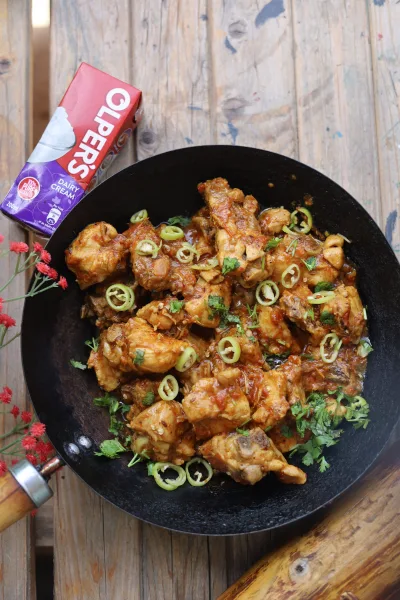 Pakistani
Chicken Karahi
Chicken cooked hard and fast in a wok-shaped karahi with tomatoes, green chilies and ginger. No onions, no cream, and ready in under an hour.
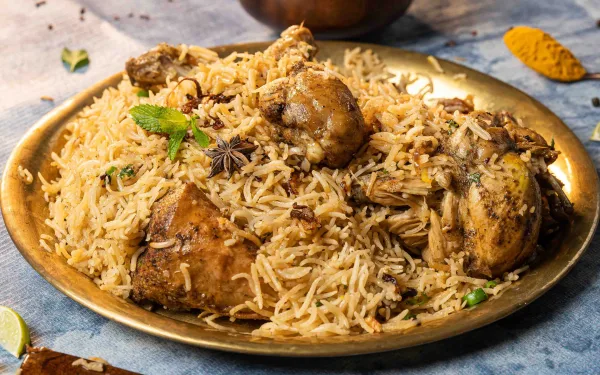 Pakistani
Chicken Biryani
Layers of long-grain basmati and a tangy, spiced chicken masala, steamed together until every grain stays separate. Made with potatoes and dried plums, the way many Karachi homes make it.
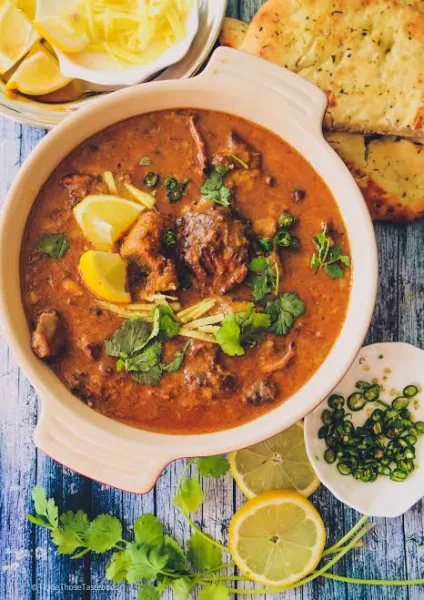 Pakistani
Beef Nihari
Beef shank slow-cooked in a spiced gravy thickened with toasted flour. A weekend project that mostly cooks itself.
 Pakistani
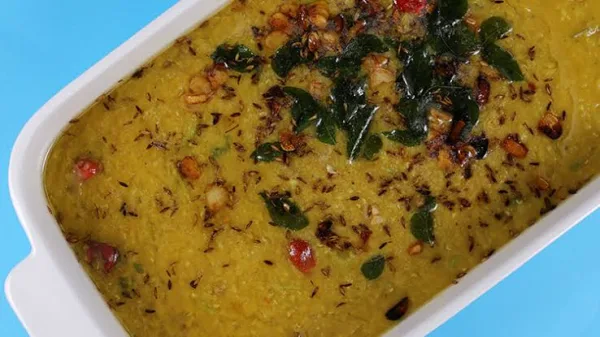
Masoor Daal with Tarka
Red lentils simmered until silky, then finished with a sizzling tarka of cumin, garlic and dried chilies. Weeknight comfort for very little money.
Pakistani kitchen
 Pakistani
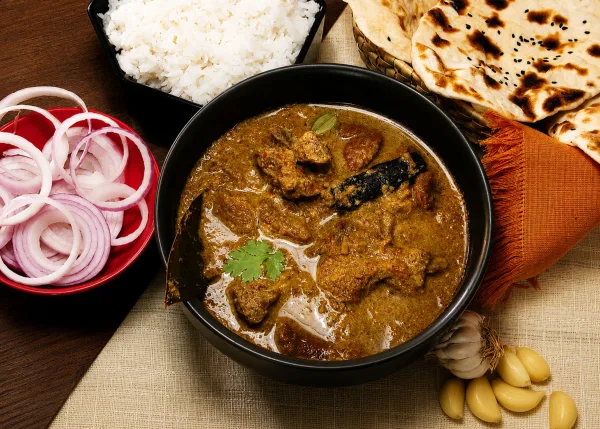
Mutton Chops Masala (Pressure-Cooked Lamb Chops in Thick Onion-Yogurt Masala)
Mutton chops are marinated, pressure-cooked until soft, then finished in a thick, glossy masala that clings to the bone. A good Sunday dinner with naan or rice.
Tawa Naan (Soft Yogurt Naan Cooked on a Griddle)
Soft, bubbly naan made with yogurt and milk, cooked on a hot tawa or in the oven. A dependable flatbread for karahi, daal and kababs, no tandoor needed.
 Pakistani
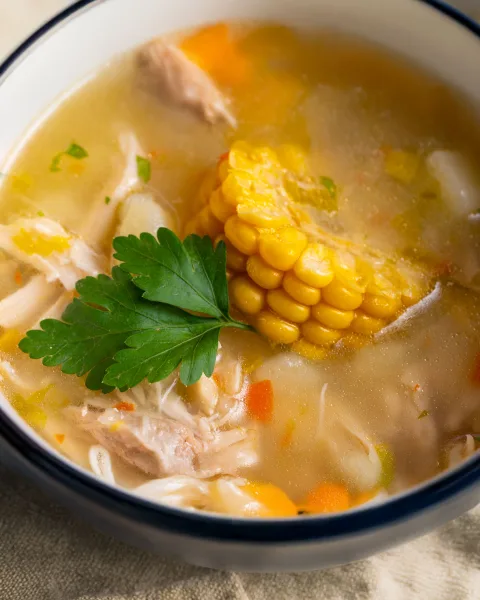
Chicken Corn Soup
A thick, gently peppery soup of shredded chicken, sweet corn and silky egg ribbons, in the style of Pakistani Chinese restaurants. Easy to make at home on a cold evening.
Kulcha (Oven-Baked Yogurt Bread with Nigella and Sesame)
Soft, fluffy round breads made with yogurt and milk, topped with nigella and sesame and brushed with butter. They bake in a hot home oven and go well with chanay, daal or any curry.