Malabar Prawn Curry
A tangy, gently spicy prawn curry from the Kerala coast, built on coconut milk, tamarind and a mustard and curry leaf tempering. It's ready in under an hour and goes well with plain rice.
Ingredients
Equipment: Wide deep pan or kadhai with a lid, wooden spoon, chopping board and knife
Method
Pat the prawns dry and toss them with the lemon juice, 0.5 tsp turmeric and half of the salt. Leave them in the fridge while you prepare everything else.
Heat the oil in a wide pan over medium heat. Add the mustard seeds and fenugreek seeds and let them crackle for about 20 seconds; the fenugreek should turn light gold, not dark brown.
Add the curry leaves (stand back, they spit), then the sliced onions and a small pinch of salt. Cook, stirring often, until the onions are soft and golden at the edges.
Stir in the ginger, garlic and green chillies and cook until the raw garlic smell disappears.
Lower the heat and add the chilli powder, coriander powder, 0.5 tsp turmeric and black pepper. Stir for 30 seconds, then add the tomatoes.
Cook the tomatoes, mashing them with the spoon, until they break down into a thick paste and the oil begins to separate at the sides.
Stir in the tamarind paste, coconut milk and water, plus the remaining salt. Bring to a gentle simmer and cook uncovered until the sauce thickens slightly and tastes rounded, not sharp. Keep the heat low so the coconut milk does not split.
Add the prawns and spread them in a single layer. Simmer gently, stirring once or twice, until they turn pink and curl into loose C shapes.
Taste and adjust the salt or tamarind. Turn off the heat, cover, and rest for 5 minutes so the flavours settle. Scatter over the coriander and serve.
Cooking tips
- Do not overcook the prawns. They are done when pink and just firm; tight, rubbery curls mean they have gone too far.
- Keep the curry at a gentle simmer once the coconut milk goes in. A hard boil can make it split and look oily.
- Fenugreek seeds are bitter if burnt, so lift the pan off the heat briefly if the oil is too hot.
- The curry tastes even better after a short rest, so make the sauce ahead and add the prawns just before serving.
Substitutions
- Use 8 to 10 shallots in place of the onions for a sweeter base.
- No tamarind: use 2 tbsp lime juice added at the end, off the heat, or a few pieces of raw green mango.
- No fresh curry leaves: leave them out rather than using dried ones, and add an extra green chilli for freshness.
- Firm white fish chunks can replace the prawns; add them in step 8 and cook 5 to 6 minutes.
Serve with
Serve with steamed basmati or parboiled rice, a simple cucumber and onion salad, and a squeeze of lime. It also goes well with appam, paratha or plain roti.
Storage
Cool quickly and refrigerate in an airtight container for up to 1 day. Prawns do not keep well, so eat it within that time. Freezing is not recommended.
Reheating
Warm gently in a pan over low heat with a splash of water, stirring, for 3 to 4 minutes until steaming hot throughout. Do not boil or the prawns will turn tough.
Nutrition per serving, estimated
Estimated from the ingredient list. Values vary with brands and portion size.
You might also cook
 Indian
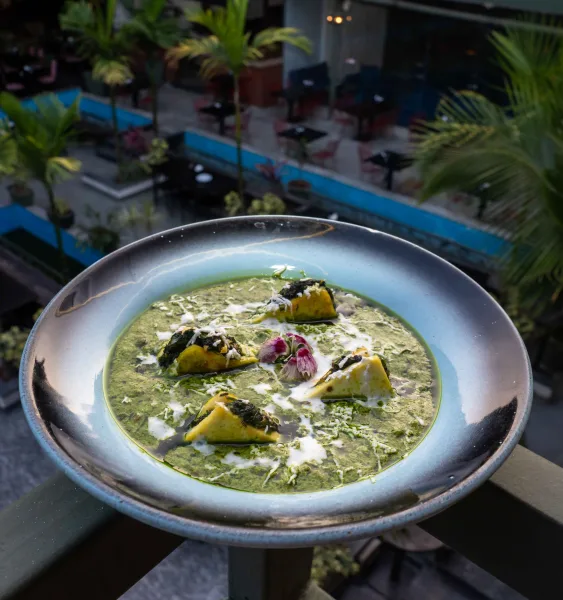
Palak Paneer
Spinach blanched and puréed with onion, garlic and ginger, then simmered with golden cubes of paneer.
 Indian
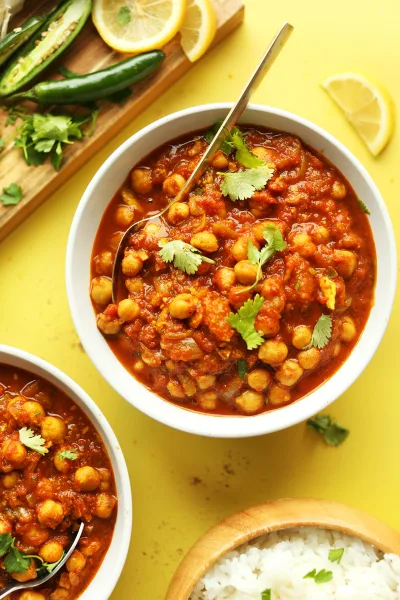
Chana Masala
Chickpeas in a dark, tangy onion-tomato masala with amchur and garam masala. Pantry cooking at its best.
Sambar
A tangy, gently spiced South Indian lentil and vegetable stew finished with a sizzling mustard and curry leaf tempering. Serve it with rice, idli or dosa for an easy everyday lunch.
Rajma Masala
Soft red kidney beans simmered in a thick onion and tomato gravy with warm spices. It's a filling, everyday North Indian lunch that tastes best over steamed rice.
Indian kitchen
 Indian
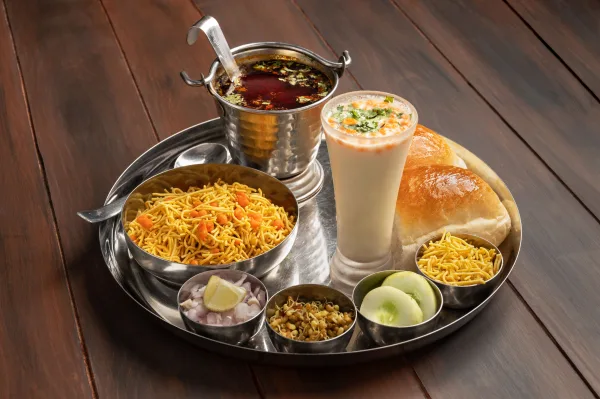
Misal Pav
A Maharashtrian-style breakfast of tender sprouted beans in a spicy coconut and onion gravy, topped with crunchy farsan and served with buttered, toasted pav. Filling, bold and easy to build in layers.
 Indian
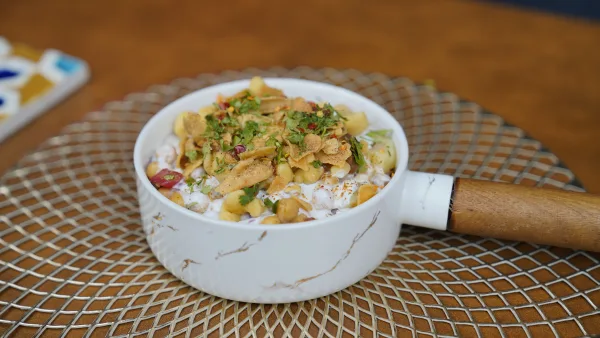
Sabudana Khichdi
Soft, separate pearls of tapioca tossed with crunchy peanuts, potato, cumin and green chilli. A light, gluten-free breakfast that comes together quickly once the sabudana is soaked.
 Indian
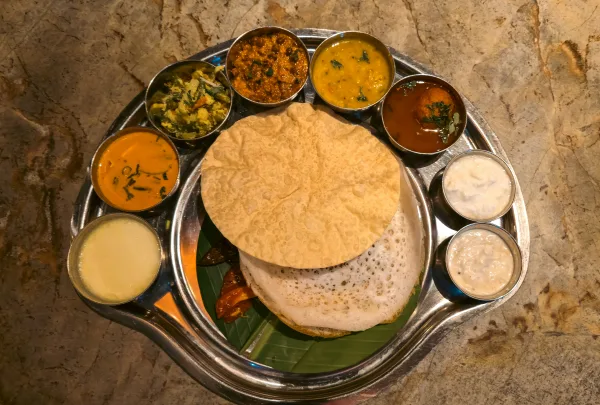
Appam
Soft, bowl-shaped rice and coconut pancakes from Kerala, with a fluffy white centre and crisp lacy edges. Start the batter the day before for a gentle sweet-sour flavour.
Medu Vada
Crisp-shelled, fluffy-centred South Indian doughnut fritters made from ground urad dal, black pepper and curry leaves. A satisfying breakfast to dunk in chutney and sambar.