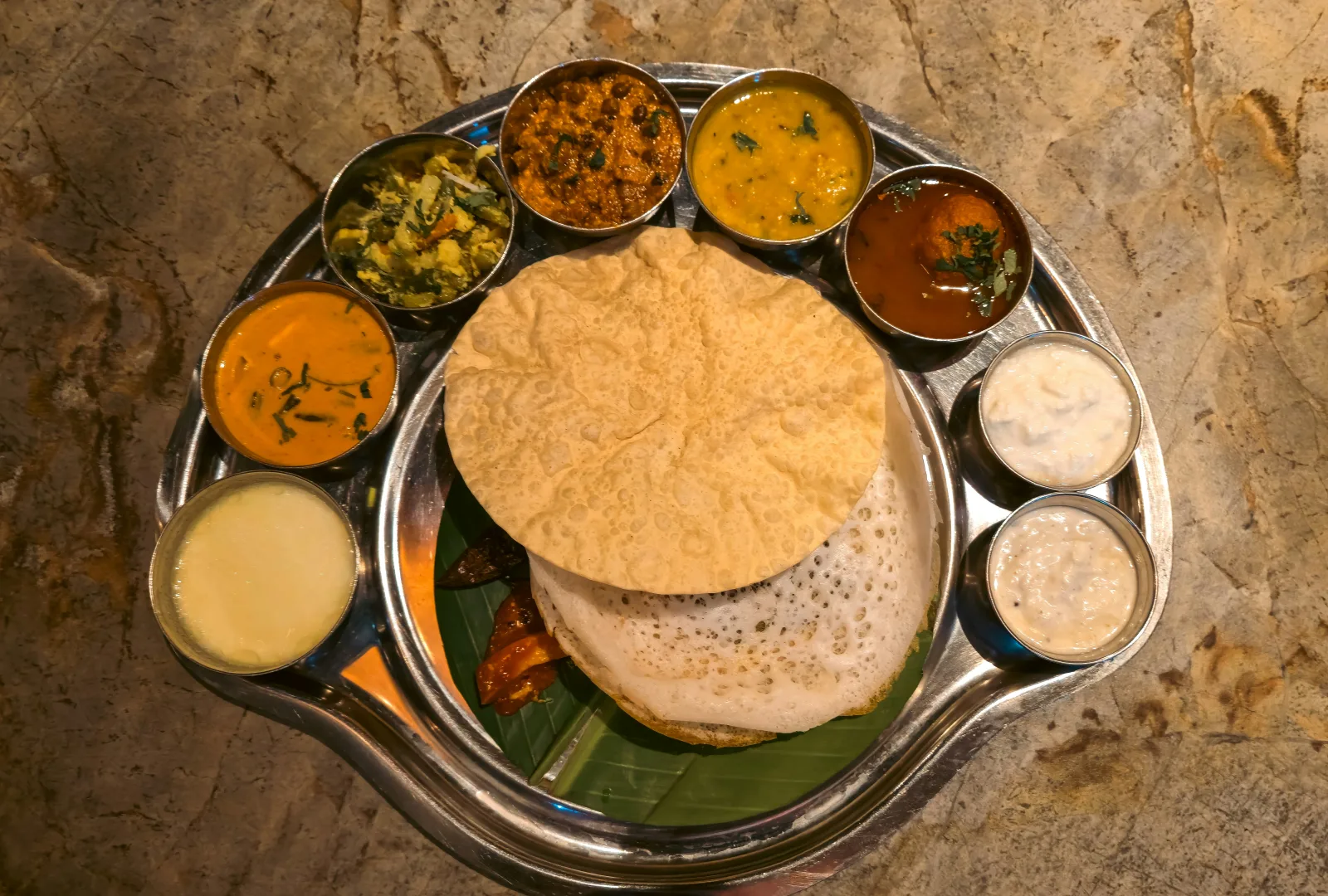
Appam
Soft, bowl-shaped rice and coconut pancakes from Kerala, with a fluffy white centre and crisp lacy edges. Start the batter the day before for a gentle sweet-sour flavour.
Ingredients
Equipment: Blender, small deep non-stick kadhai or appam pan (chatti) with a lid, ladle, large bowl
Method
Wash the raw rice in 3 changes of water until the water runs nearly clear. Cover with plenty of fresh water and soak for 4 to 5 hours, then drain well.
Stir the yeast and 1 tbsp of the sugar into the lukewarm water. Leave for 10 minutes until it looks foamy on top.
Add the drained rice, cooked rice, coconut and about 250 ml of the grinding water to a blender. Blend on high for 3 to 4 minutes, adding the remaining water a little at a time, until the batter is completely smooth with no gritty feel when rubbed between your fingers.
Pour the batter into a large bowl, as it will rise to almost double. Stir in the foamy yeast mixture and the remaining 1 tbsp sugar. Cover loosely and leave in a warm place for 8 to 10 hours or overnight, until bubbly, risen and pleasantly sour-sweet in smell.
Stir in the salt gently. The batter should pour like thin single cream and coat the back of a spoon lightly. If it is thick, stir in water 1 tbsp at a time.
Heat the kadhai or appam pan over medium heat for 2 minutes. Wipe with a little oil on a folded paper towel.
Pour in a ladle of batter (about 80 ml), lift the pan off the heat and quickly tilt and swirl it in one full circle so the batter coats the sides and leaves a thicker pool in the base.
Set the pan back on the heat, cover with the lid and cook on medium-low for 2 to 3 minutes. It is done when the edges are golden, crisp and lacy, and the centre looks puffed, dry on top and springy to the touch. Do not flip.
Slide the appam out with a thin spatula onto a plate. Wipe the pan with a little oil every second appam, and repeat with the remaining batter, stirring it gently between each one. You should get 10 to 12 appams.
Serve straight away while the edges are still crisp, or keep the finished appams covered loosely with a clean cloth for up to 15 minutes.
Cooking tips
- The batter must be thin enough to swirl. If it will not spread up the sides of the pan, add a spoon or two of water.
- The pan needs to be hot enough to crisp the edges but not so hot that the centre browns. Medium heat with a lid gives the best result.
- The first appam is often a test. Adjust the batter and heat after it, and it will improve.
- In cool weather, ferment the batter in an oven with only the light switched on, or leave it for a few extra hours.
Substitutions
- Instead of yeast, use 1/4 tsp baking soda added just before cooking, though the batter should then ferment naturally for 8 to 12 hours in a warm kitchen.
- Use 2 tbsp of soaked poha (flattened rice) in place of the cooked rice for a similar soft centre.
- If fresh coconut is unavailable, soak 1/3 cup desiccated coconut in warm water for 15 minutes and drain.
- Use 1 tbsp of coconut milk in the batter for a slightly richer flavour.
Serve with
"Serve 2 to 3 appams per person with vegetable stew, chicken curry, egg roast or sweetened coconut milk with a pinch of cardamom. A simple dish of chana or potato curry also works well."
Storage
Keep leftover appams in an airtight container in the fridge for up to 2 days. The fermented batter, without salt, keeps for up to 2 days in the fridge in a covered container.
Reheating
Warm appams in a covered non-stick pan over low heat for 1 to 2 minutes, or microwave for 20 to 30 seconds under a damp paper towel. The edges will not be as crisp as when fresh.
Nutrition per serving, estimated
Estimated from the ingredient list. Values vary with brands and portion size.
You might also cook
 Indian
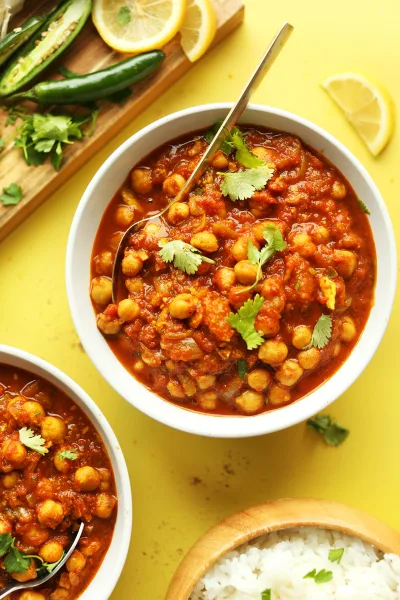
Chana Masala
Chickpeas in a dark, tangy onion-tomato masala with amchur and garam masala. Pantry cooking at its best.
Medu Vada
Crisp-shelled, fluffy-centred South Indian doughnut fritters made from ground urad dal, black pepper and curry leaves. A satisfying breakfast to dunk in chutney and sambar.
Soft Steamed Idli
Light, fluffy steamed rice and lentil cakes from South India, made with a naturally fermented batter. Serve them hot with coconut chutney and sambar for an easy, filling breakfast.
Masala Dosa
Thin, crisp fermented rice and lentil crepes wrapped around a turmeric potato and onion filling. Start the batter a day ahead, and you'll have a weekend breakfast that's worth the wait.
Indian kitchen
 Indian
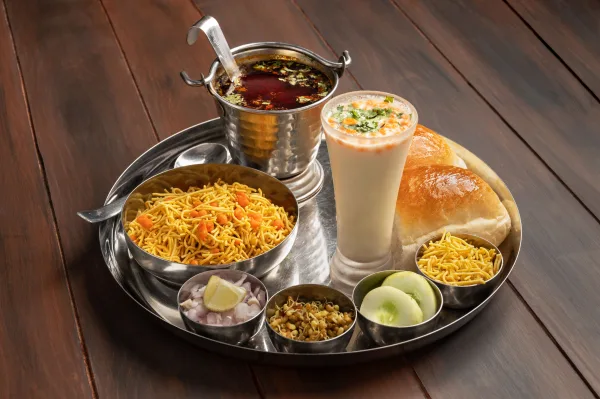
Misal Pav
A Maharashtrian-style breakfast of tender sprouted beans in a spicy coconut and onion gravy, topped with crunchy farsan and served with buttered, toasted pav. Filling, bold and easy to build in layers.
 Indian
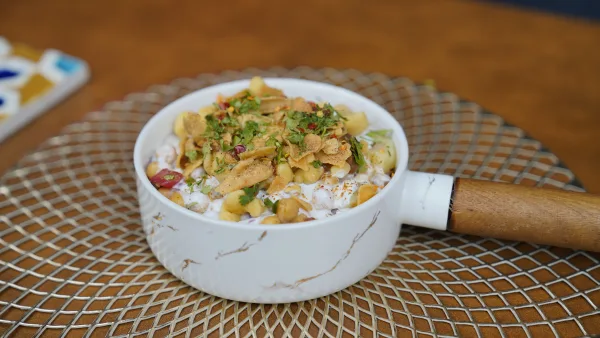
Sabudana Khichdi
Soft, separate pearls of tapioca tossed with crunchy peanuts, potato, cumin and green chilli. A light, gluten-free breakfast that comes together quickly once the sabudana is soaked.
Rava Dosa
Thin, lacy, crisp semolina crepes flavoured with cumin, pepper and curry leaves. No fermenting is needed, so you can go from pantry to plate in under an hour.
Vada Pav with Garlic Chutney
Spiced potato patties in a crisp gram-flour coating, tucked into soft buns with a fiery dry garlic chutney and green chutney. A classic Mumbai street snack you can make at home.