Lucknowi Mutton Biryani
A fragrant Awadhi-style biryani of tender bone-in mutton and long basmati rice, gently spiced and finished with saffron, kewra and fried onions, then sealed and steamed on dum.
Ingredients
Equipment: Heavy-bottomed pot with a tight lid (5 litre), large pot for boiling rice, frying pan, tawa or flat griddle, aluminium foil or dough for sealing
Method
Wash the rice in several changes of water until it runs almost clear, then soak it in plenty of cold water. Set it aside while you prepare everything else.
Heat the oil in a wide pan over medium heat and fry the sliced onions, stirring often, until deep golden and crisp at the edges. Lift them out with a slotted spoon onto paper towels; they will crisp further as they cool. Keep 2 tablespoons of the onion oil for the mutton.
In a large bowl, combine the mutton, yogurt, ginger-garlic paste, chilli powder, coriander powder, garam masala, nutmeg, lemon juice, 2 tsp salt, slit green chillies and half of the fried onions crushed with your hands. Mix well, cover and marinate in the fridge for at least 1 hour, or up to overnight.
Heat 2 tbsp ghee and the reserved onion oil in the heavy pot. Add the black and green cardamom, cloves, cinnamon, mace, bay leaves and shahi jeera, and stir for 30 seconds until fragrant.
Add the marinated mutton and stir over medium-high heat for 8 to 10 minutes until the meat changes colour and the yogurt has thickened. Pour in the water, bring to a simmer, cover and cook on low heat until the mutton is almost tender when pierced with a knife, and the gravy is thick and reduced to about 1 cup. Add a splash of hot water if it dries out early.
While the mutton cooks, bring a large pot of water to a rolling boil with 2 tbsp salt. It should taste clearly salty. Drain the soaked rice, add it to the water and boil for 5 to 6 minutes until the grains are about 70% cooked: they should snap when bitten but no longer be hard in the centre. Drain immediately.
Spoon out any excess oil floating on the mutton, leaving the thick gravy in the pot. Level the meat, then scatter over half the mint and coriander and a third of the remaining fried onions. Spread half the rice on top.
Add the rest of the mint, coriander and half of the remaining onions, then the remaining rice. Drizzle the saffron milk, kewra water, rose water and the last 1 tbsp ghee over the top and finish with the remaining fried onions.
Cover the pot with foil, then press the lid on tightly so no steam escapes. Place it on a hot tawa over the lowest heat and cook on dum until the rice is fully tender, the mutton is soft and steam smells sweetly of saffron.
Turn off the heat and rest the pot, unopened, for 10 minutes. Gently fold the rice from the edges to the centre with a flat spoon so the layers mix without breaking the grains, and serve hot.
Cooking tips
- Use aged basmati if you can; it elongates well and stays separate. Do not overcook it before layering, because it finishes cooking in the steam.
- The mutton should be nearly tender before layering. If it is still tough after 50 minutes, cook it longer before you add the rice, or use a pressure cooker for 20 minutes on high.
- Seal the pot well. If steam escapes, the rice on top stays hard; a strip of dough around the rim works best.
- Lucknowi biryani is mild and aromatic rather than fiery. Adjust the chillies to taste, but do not overpower the kewra and saffron.
Substitutions
- Lamb or beef can replace mutton; beef needs a longer cooking time.
- No kewra water: use 1 extra tsp rose water and a few drops of kewra essence, or leave it out.
- No saffron: use a pinch of turmeric in the milk for colour, though the aroma will be different.
- No mace: use a small pinch of ground mace or a little extra nutmeg.
Serve with
"Serve with cool cucumber-mint raita, a simple kachumber salad and, if you like, a bowl of mirchi ka salan or plain yogurt."
Storage
Cool leftovers within 2 hours and refrigerate in an airtight container for up to 2 days. Freeze portions for up to 1 month.
Reheating
Sprinkle a tablespoon of water over each portion, cover and microwave for 2 to 3 minutes, or steam in a covered pan over low heat, until piping hot throughout (at least 74°C).
Nutrition per serving, estimated
Not shown for this recipe because it can’t be estimated reliably (for example, oil absorbed during deep frying varies a lot).
You might also cook
 Indian
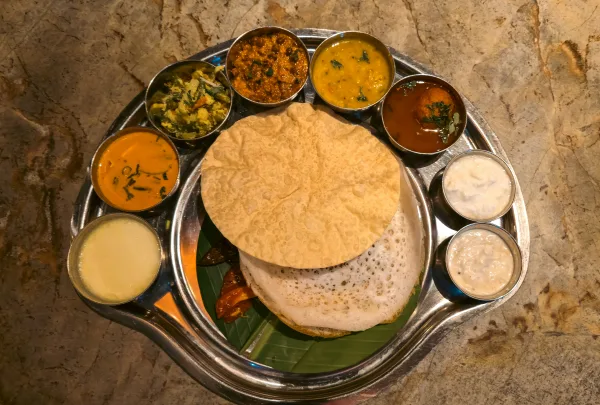
Appam
Soft, bowl-shaped rice and coconut pancakes from Kerala, with a fluffy white centre and crisp lacy edges. Start the batter the day before for a gentle sweet-sour flavour.
Bhature
Soft, puffed, golden fried breads made with a yogurt dough that rests until light and slightly tangy. Serve them hot with chole for a weekend breakfast.
Sambar
A tangy, gently spiced South Indian lentil and vegetable stew finished with a sizzling mustard and curry leaf tempering. Serve it with rice, idli or dosa for an easy everyday lunch.
Dal Tadka
Soft, creamy yellow lentils simmered with tomato and ginger, then finished with a sizzling garlic, cumin and chilli tempering. Simple, filling and ready in about an hour.
Indian kitchen
 Indian
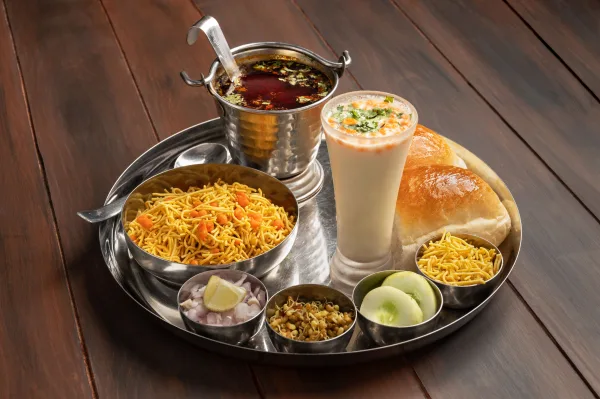
Misal Pav
A Maharashtrian-style breakfast of tender sprouted beans in a spicy coconut and onion gravy, topped with crunchy farsan and served with buttered, toasted pav. Filling, bold and easy to build in layers.
 Indian
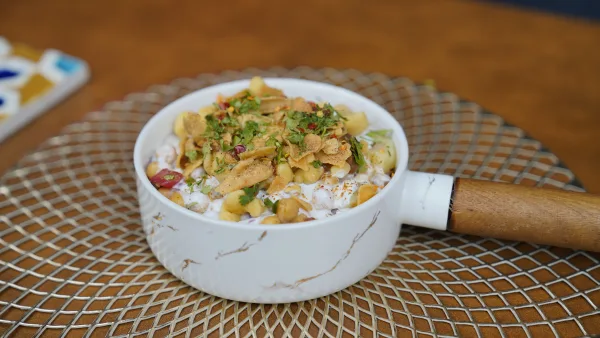
Sabudana Khichdi
Soft, separate pearls of tapioca tossed with crunchy peanuts, potato, cumin and green chilli. A light, gluten-free breakfast that comes together quickly once the sabudana is soaked.
Medu Vada
Crisp-shelled, fluffy-centred South Indian doughnut fritters made from ground urad dal, black pepper and curry leaves. A satisfying breakfast to dunk in chutney and sambar.
Soft Steamed Idli
Light, fluffy steamed rice and lentil cakes from South India, made with a naturally fermented batter. Serve them hot with coconut chutney and sambar for an easy, filling breakfast.