Iftar Menu Ideas for a Week of Ramadan
A seven-day iftar plan built around Pakistani favourites, with a simple formula, prep-ahead tricks and a shopping list you can start on tonight.
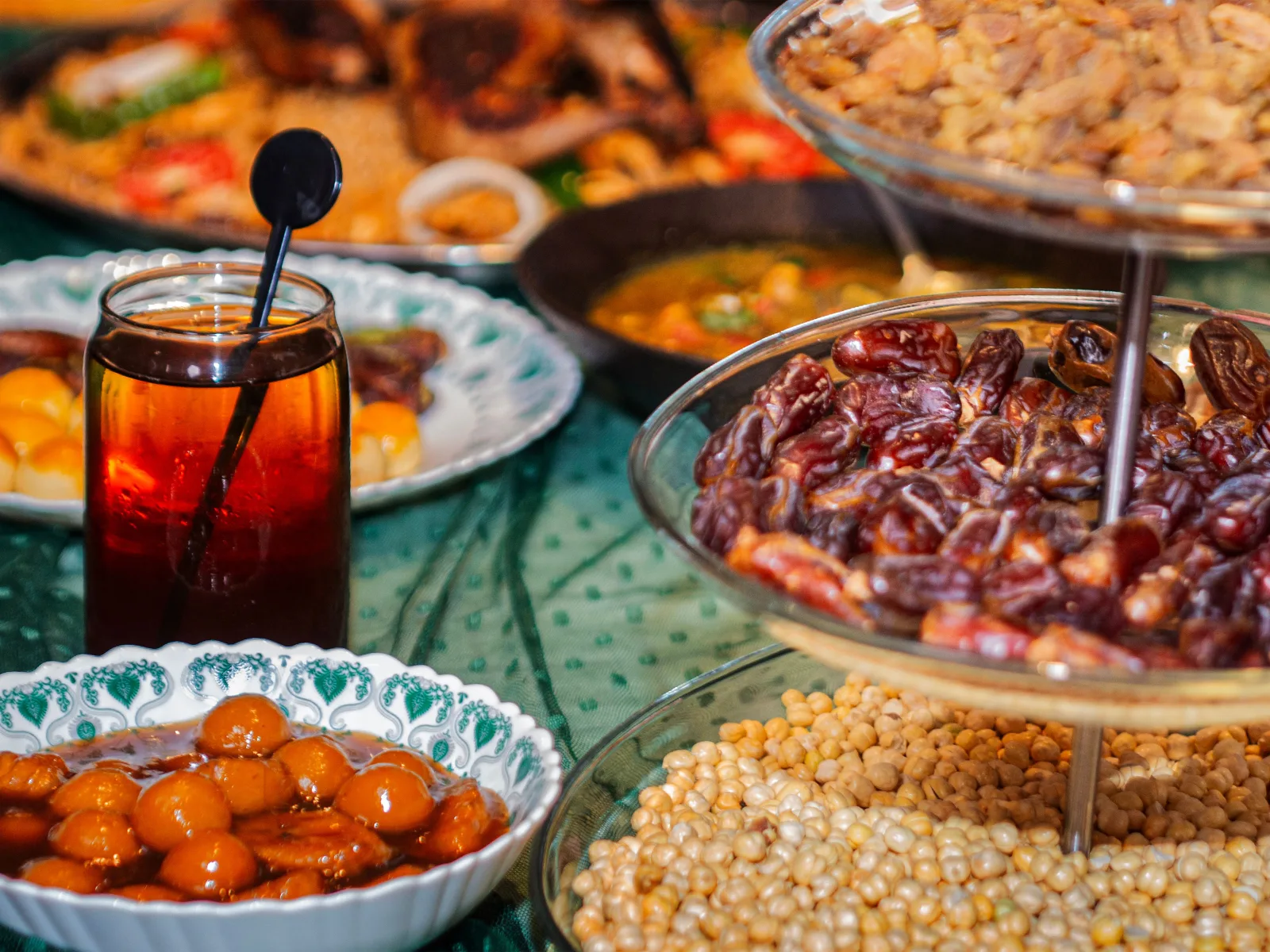
Deciding what to make at iftar is harder than cooking it. A fixed plan for the week means fewer last-minute trips to the market and less stress at 5 pm. Here is a seven-day menu you can adapt to your family, with notes on what to prepare ahead.
The simple formula for every iftar
Most good iftar spreads follow the same pattern. Pick one item from each group and you never have to start from zero.
- To open the fast: dates and water, or a sharbat.
- Something fried or crisp: pakoras, samosas, rolls, kebabs or spring rolls.
- Something tangy: chana chaat, fruit chaat, dahi bhallay or papri chaat.
- A drink: Rooh Afza milk, lemon water, lassi or falooda.
- A main dish, if you are eating a fuller meal: haleem, biryani, pulao or a curry with roti.
You do not need all five groups every day. Two fried items plus a chaat is plenty on a busy evening, and a proper main can wait until after Maghrib prayers.
A 7-day iftar menu
Day 1: Classic start
- Dates and Rooh Afza sharbat
- Mixed pakoras (onion, potato, spinach) with imli chutney
- Chana chaat
- Fruit chaat
This is the familiar Ramadan table. Cut the fruit for the chaat just before serving so it stays fresh, and add chaat masala at the last minute.
Day 2: Samosa night
- Chicken or keema samosas (fried from your frozen stock, see below)
- Dahi bhallay
- Lemon water with mint
Dahi bhallay need soaking time, so make the bhallay in the morning, or the night before, and assemble at iftar.
Day 3: Haleem and naan
- Dates and water
- Haleem with fried onions, ginger juliennes, lemon and green chillies
- Fresh naan or roti
- Lassi
Haleem is filling, so keep the sides small. Cook a large pot, since it reheats well the next day for suhoor or a second meal.
Day 4: Rolls and fries
- Chicken paratha rolls
- Masala fries
- Cold coffee or milkshake
Cook the filling in advance and keep it in the fridge. Warm the parathas on the tawa and assemble when everyone sits down.
Day 5: Chicken corn soup and kebabs
- Chicken corn soup
- Shami kebabs or chapli kebabs
- Raita and chutney
- Fresh salad
A warm soup is a gentle way to begin eating, and the kebabs can be shaped ahead of time and cooked when needed.
Day 6: Biryani evening
- Dates and sharbat
- Chicken or beef biryani with raita and kachumber
- Something sweet, like kheer or custard
Biryani is the main event here, so skip heavy fried starters. If you like, add a few pakoras for tradition, but you do not need a full spread.
Day 7: Weekend feast
- Dahi baray or papri chaat
- Chicken tikka or seekh kebabs from the grill pan
- Pulao or naan
- Jalebi or gulab jamun
- Falooda
On a weekend you often have guests or extra time. Choose one impressive dish and keep the rest simple.
What to prepare in advance
A little work on the weekend makes weekday iftars far easier.
Freeze these:
- Samosas, rolls and spring rolls, folded and laid flat on a tray before bagging. Fry them straight from the freezer over medium heat so the inside warms through.
- Shami kebab patties, separated with baking paper.
- Paratha, ready to cook on the tawa.
Make and refrigerate:
- Imli chutney and green chutney. They keep for several days in clean jars.
- Boiled chickpeas for chaat.
- Ginger-garlic paste and fried onions (birista) for biryani and haleem.
- Chicken corn soup base, without the egg. Add the egg when reheating.
Do on the same day:
- Batter for pakoras, made about 20 to 30 minutes before frying.
- Fruit chopping and assembling chaat.
- Frying anything that needs to be crisp.
Drinks worth rotating
Do not serve the same sharbat all week. A few options:
- Rooh Afza with cold milk or water
- Lemon water with mint and a pinch of salt or sugar
- Sweet or salted lassi
- Jam-e-Shirin or sandal sharbat
- Chilled milk with rose syrup and basil seeds (tukh malanga)
- Falooda for weekends
Make sharbat syrup or lemon concentrate ahead and dilute it with cold water when serving.
Shopping list for the week
Buy the essentials once, then top up fresh items midweek.
- Pantry: besan, rice, chickpeas, lentils for haleem, samosa patti, oil, chaat masala, red chilli, garam masala, dates, sugar, Rooh Afza
- Dairy: yogurt, milk, cream if making kheer or falooda
- Meat: chicken, mince (keema), beef or mutton for biryani or haleem
- Vegetables: potatoes, onions, tomatoes, green chillies, coriander, mint, cucumber, lemons, ginger, garlic
- Fruit: apples, bananas, grapes, pomegranate, guava or whichever is in season and affordable
Keeping it manageable
- Do not fry everything every day. Alternate between fried days (Day 1, 2, 4) and lighter days (Day 3, 5, 6).
- Repeat components. The same chutneys, chickpeas and raita work across several dishes.
- Cook one main for two meals. Haleem or biryani made in a larger quantity covers a second evening with little extra work.
- Ask for help. Give one family member the chaat and drinks, and you can focus on the main dish.
- Eat modest portions at iftar. A small plate first, a break for prayer, then a proper meal makes for a calmer evening.
Swap ideas to adjust the plan
Not every family eats the same things. Use these swaps to keep the structure and change the flavours.
- Replace pakoras with baked or air-fried cutlets.
- Use chicken instead of beef in haleem or kebabs.
- Swap samosas for bread rolls, or rolls for wraps.
- Replace fruit chaat with a simple plate of cut seasonal fruit.
- Use vegetable pulao instead of biryani if you want something quicker.
Start with tonight: choose Day 1, check what is in the kitchen, and add the missing items to your list. Once the week has a shape, the rest of Ramadan gets easier.