How to Plan a Dawat Menu for 10 to 12 Guests
A practical framework for building a balanced dawat menu, with quantities, a make-ahead timeline and sample menus you can adapt tonight.
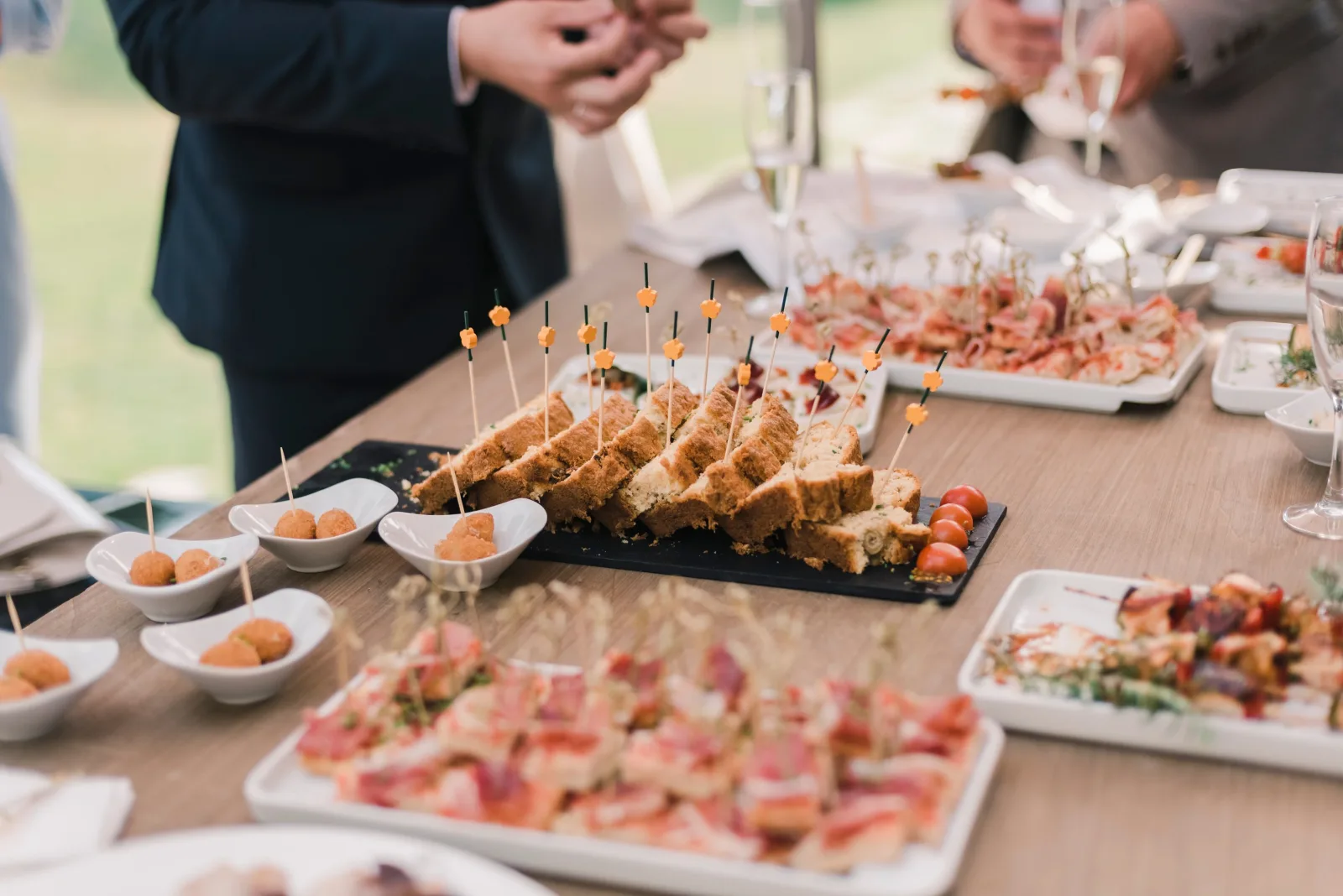
A dawat for 10 to 12 people is big enough to need a plan and small enough to cook at home without a caterer. The trick is not more dishes. It is the right mix of dishes, sensible quantities and a schedule that keeps you out of the kitchen when guests arrive.
Start with the guest list, not the recipes
Before choosing anything, answer these questions:
- Who is coming? Note elders, children, vegetarians and anyone who avoids certain foods.
- What time is dinner? A late dinner means guests will eat more at the table and less from snacks.
- How many burners and ovens do you have? Your equipment limits your menu more than your ambition does.
- What is your budget? Decide this first. Meat is the biggest cost, so it shapes everything else.
Plan for 12 even if 10 confirm. Extra guests, or a second helping, are common at a dawat, and leftovers from a well-made biryani or qorma are never wasted.
Use a simple menu formula
A balanced dawat menu needs one dish from each of these roles. Resist adding more.
- One rice dish: biryani, pulao or zarda-style sweet rice if you want it on the table too.
- Two main dishes: for example, one chicken and one mutton or beef. Pick different cooking styles: one gravy-based (qorma, karahi), one dry or roasted (tikka, seekh kebab, roast).
- One vegetable or daal: a dish that gives vegetarians something substantial, such as palak paneer, mixed sabzi or a rich daal.
- One bread: naan, roti or paratha.
- One starter or side: kebabs, samosas or chaat.
- Raita and salad: they cool the meal and cut through rich gravies.
- One dessert and chai: kheer, gulab jamun, halwa or a chilled dessert.
That is about eight items, but only three or four need real attention on the day.
Choose dishes by cooking method
The most common mistake is picking five dishes that all need the stove at the last minute. Sort your candidates into groups:
- Better made ahead: qorma, nihari, haleem, daal, kheer, halwa, kebab mixture (shaped and chilled). Many of these taste better the next day.
- Oven or dum dishes: biryani, pulao, roast chicken, baked kebabs. They hold heat and need little attention once started.
- Last-minute dishes: fresh rotis, naan, fried kebabs, tarka on daal, chaat assembly.
Aim for at most one or two last-minute items. If you pick a fried starter, choose a mild main that can sit.
Quantities for 10 to 12 guests
These are working guidelines, not rules. Adjust for your crowd, especially if many are big eaters or if you have several children.
- Rice: about 2 to 2.5 kg uncooked if rice is the centrepiece. About 1.5 kg if you are also serving plenty of bread.
- Meat in gravy: roughly 2 to 2.5 kg of bone-in meat in total across your two mains. If you serve only one main, go to about 3 kg.
- Kebabs or tikka as a starter: two to three pieces per person.
- Daal or vegetable dish: about 1 kg of vegetables or 500 g of dry daal.
- Bread: two pieces per person, plus a few spare. If you buy naan, order 25 to 30.
- Raita: about 1 to 1.2 kg of yoghurt.
- Salad: 1 kg of cucumber, tomato and onion, plus lemon and green chillies.
- Dessert: one large tray or bowl, allowing a generous serving each, plus a little extra.
Sample menus you can adapt
Classic winter dawat
- Starter: chicken seekh kebabs with chutney
- Main: mutton qorma and chicken karahi
- Rice: chicken biryani or white pulao
- Side: daal or palak paneer
- Bread: naan
- Raita, salad
- Dessert: gajar ka halwa, then chai
Summer dawat
- Starter: chicken chaat or dahi bhalla
- Main: chicken biryani and beef or mutton bhuna
- Side: mixed vegetable curry
- Bread: roti
- Raita, cucumber salad
- Dessert: kheer or a chilled trifle, plus lemon or mint drink
Budget-friendly dawat
- Starter: samosas or shami kebabs
- Main: chicken qorma
- Rice: yakhni pulao
- Side: daal mash or chana daal
- Raita, salad
- Dessert: sooji halwa or kheer
Work backwards with a timeline
Write a countdown schedule and stick it on the fridge. Here is a workable one.
Three to four days before
- Finalise the menu and the shopping list.
- Check pots, serving dishes, spoons and enough plates.
- Buy non-perishables: rice, spices, oil, dry fruit, tea, dessert ingredients.
Two days before
- Buy meat and marinate anything that benefits from a long marinade.
- Make the ginger-garlic paste and fried onions (birista), which you can store in the fridge.
The day before
- Cook the qorma, daal or any curry that reheats well.
- Prepare the dessert: kheer, halwa or a chilled dessert.
- Shape kebabs and refrigerate them.
- Wash and chop salad ingredients and store them separately.
- Set out the serving dishes with a note on each saying what goes in it.
On the day
- Morning: prepare raita base, chutneys and lay the table.
- Three hours before: par-boil rice and start the biryani or pulao layering.
- One hour before: reheat gravies slowly, fry or bake kebabs.
- Just before serving: fry tarka, make rotis or warm naan, dress the salad and garnish.
Make serving easier
- Use a buffet or serve in stages. For 12 people, a buffet table avoids passing heavy dishes around.
- Keep dishes hot. Use hotpots, a low oven or a covered pot on a very low flame.
- Serve dessert separately. Clear the main table, then bring out sweets and chai together.
- Borrow rather than buy. Extra pots, large trays and serving spoons are often easy to borrow from family.
Common mistakes to avoid
- Too many dishes. Three or four strong ones beat eight average ones.
- Two dishes with the same base. Two heavy gravies with the same taste and colour feel repetitive.
- Cooking rice too early. Rice is best made close to serving, or cooked dum style so it holds.
- Forgetting the plain items. Raita, salad, lemon wedges and green chillies make rich food more enjoyable.
- Skipping a test. If you are trying a new recipe, cook a small batch during the week first.
A last check tonight
Write down your rice dish, two mains, one vegetable or daal, one bread, one starter, one dessert and the sides. Then mark which ones can be cooked the day before. If more than two need last-minute attention, swap one for something that reheats well. With that list in hand, the shopping and timeline follow easily.