How to Store Cooked Food Safely in the Fridge and Freezer
Cool it fast, pack it small, label it, and reheat it properly. A practical guide to storing salans, rice, saag and bread in a Pakistani home kitchen.
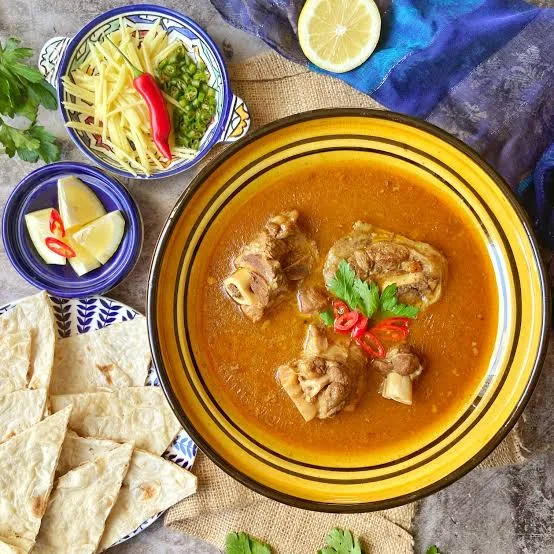
Leftovers are only useful if they are still good to eat. Most storage mistakes come down to two things: leaving food out too long before it goes in the fridge, and packing it in containers that are too big. Both are easy to fix tonight.
Get the food into the fridge within two hours
Cooked food shouldn't sit at room temperature for more than about two hours. In a hot kitchen, or in a Lahore or Karachi summer, cut that to one hour. Bacteria multiply fastest in warm food, so the goal is to move food quickly from hot to cold.
Don't leave the pot on the stove overnight "to cool down". This is common in many homes, but a heavy pot of salan holds heat for hours and then sits warm for a long time.
Here is what to do instead:
- Divide it up. Spoon the food into shallow containers, ideally no more than 5 cm deep. Small portions cool much faster than one big pot.
- Let steam escape briefly. Leave the lid off for 15–20 minutes, then close it.
- Speed it up if needed. Stand the container in a basin of cold water, stirring occasionally, before it goes into the fridge.
- Don't wait for it to be stone cold. Warm food in a fridge is better than food left on the counter. Just don't pile it against other items, so air can move around it.
Set your fridge correctly
A fridge should stay at 5°C or below. If yours has no display, a cheap fridge thermometer is worth buying. Load shedding and frequent door opening can make the temperature drift up.
- Keep cooked food on the upper shelves and raw meat, chicken and fish on the bottom shelf in a covered tray. That way raw juices can't drip onto ready-to-eat food.
- Don't overfill. Cold air has to circulate.
- Use airtight lids or tightly covered containers. Cooked food picks up smells easily, and covering it also stops it drying out.
- During a long power cut, keep the door shut as much as you can.
How long cooked food lasts in the fridge
These are sensible general limits for food that was cooled promptly and stored at 5°C or below:
| Food | Fridge |
|---|---|
| Meat and chicken salans, curries | 3–4 days |
| Dal and vegetable dishes | 3–4 days |
| Cooked rice and biryani | Best eaten within 1 day |
| Saag | 3–4 days |
| Roti, paratha, naan | 2–3 days |
| Cooked lentils and beans | 3–4 days |
Rice deserves extra care. Cooked rice can carry spores that survive cooking, and they can grow if the rice sits warm. Cool it fast, refrigerate it within an hour or so, and don't keep it long. Never reheat rice more than once.
If something looks, smells or feels off, throw it out. Don't taste it to check. When you aren't sure, it's not worth the risk.
Freezing: what works well
The freezer is the better option for anything you won't finish within three days. Set it to -18°C or colder. Food kept frozen stays safe indefinitely, but quality drops over time, so aim to use most cooked dishes within 2–3 months.
Dishes that freeze well:
- Slow-cooked meat dishes. Rich, gravy-based dishes like Paya and Kunna Gosht freeze well because the meat stays covered in gravy. Freeze the meat with plenty of the sauce.
- Thick masala dishes. Mutton Chops Masala can go in the freezer in meal-sized portions with its masala.
- Saag. Sarson ka Saag freezes well. Freeze it plain and add the ghee tarka fresh when you reheat it, so the flavour stays sharp.
- Bread. Tawa Naan and roti freeze well once fully cooled. Stack them with a piece of baking paper between each one, and seal in a bag.
- Dal, keema and plain gravies. These are easy to portion and freeze.
Dishes that freeze less well: anything with a lot of fresh yogurt or cream that isn't cooked in (the sauce can split), fried snacks that you want crisp, and salad. Potatoes in curries can turn soft and grainy after thawing.
Pack it so it stays good
Air is the enemy of frozen food. It causes freezer burn, which dries out the surface and dulls the flavour.
- Cool completely first. Never put hot food in the freezer. It warms everything around it.
- Portion for one meal. Pack amounts you will actually use, such as a family dinner or a single lunch.
- Squeeze out the air. Use freezer bags and press them flat, or fill rigid containers and leave about 2 cm at the top, since liquids expand as they freeze.
- Freeze flat. Flat bags of salan stack neatly, freeze quickly and thaw faster.
- Label everything. Write the dish and the date with a marker. You won't remember in six weeks what that brown block is.
Thaw safely
Don't thaw food on the kitchen counter. Use one of these methods:
- In the fridge overnight. This is the safest and easiest. Move the container down in the evening and it's ready for tomorrow.
- In cold water. Keep the food in a sealed bag, submerge it in cold water and change the water every 30 minutes or so. Cook or reheat it straight away.
- In the microwave. Use the defrost setting and reheat straight afterwards.
For soups, saag and gravies, you can also reheat straight from frozen in a pan over low heat with a splash of water, stirring often.
Once thawed, don't refreeze food that has been thawed on the counter or in water. Food thawed in the fridge can be refrozen, though it may lose some texture. Better still, freeze in small portions so you only thaw what you'll eat.
Reheat until steaming hot
Reheating should bring food to steaming hot all the way through, not just warm at the edges. The centre should reach at least 75°C if you have a probe thermometer.
- Stir often, and add a splash of water to thick gravies so they heat evenly.
- Bring salans and dal to a proper simmer.
- Reheat only what you will eat. Repeated cooling and reheating shortens the life of food.
- Heat naan and roti on a hot tawa or wrapped in foil in the oven. A few drops of water sprinkled on them help soften them.
A quick checklist for tonight
- Move leftovers into shallow containers within two hours (one hour in hot weather).
- Check your fridge is 5°C or colder and your freezer is -18°C or colder.
- Put raw meat on the bottom shelf.
- Freeze anything you won't eat within three days.
- Label containers with the dish and date.
- Reheat until steaming hot, and only once.
Once you get into the habit, storing food takes about five minutes. It also gives you home-cooked meals on busy days, without any extra cooking.
 Pakistani
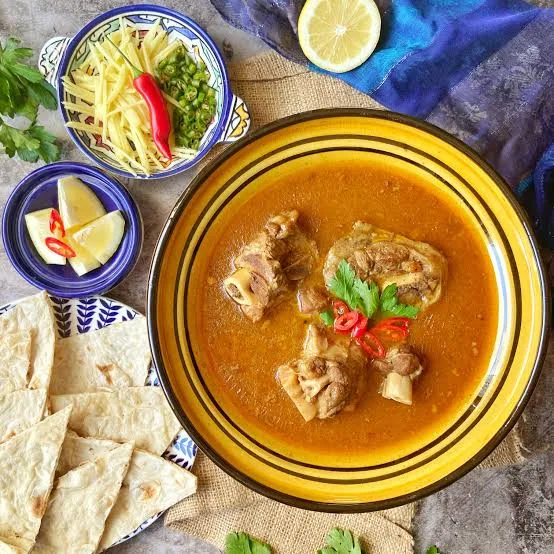
Kunna Gosht
Bone-in mutton cooked in its own juices with yogurt, ghee and whole spices in a dough-sealed pot until it falls off the bone. A rich Punjabi-style dum dish for weekends.
 Pakistani
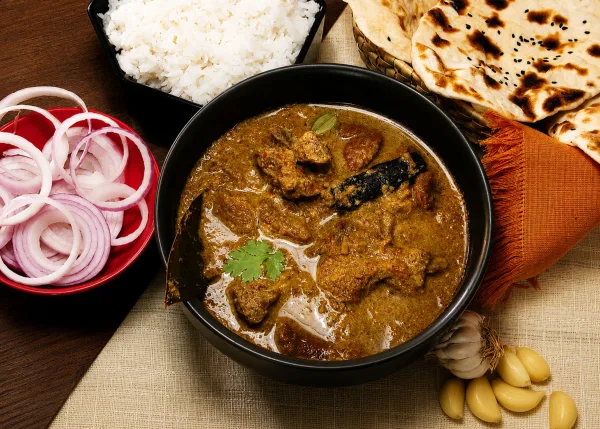
Mutton Chops Masala
Mutton chops are marinated, pressure-cooked until soft, then finished in a thick, glossy masala that clings to the bone. A good Sunday dinner with naan or rice.
 Pakistani
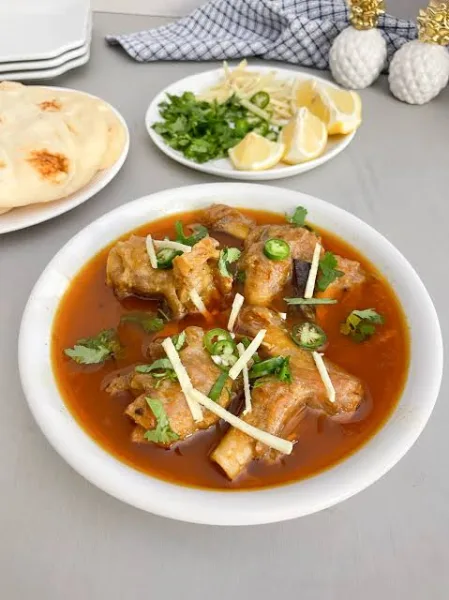
Paya
Goat trotters simmered with onions, yogurt and whole spices until the gravy turns silky and the meat slips off the bone. A classic weekend breakfast to eat with naan.
 Pakistani
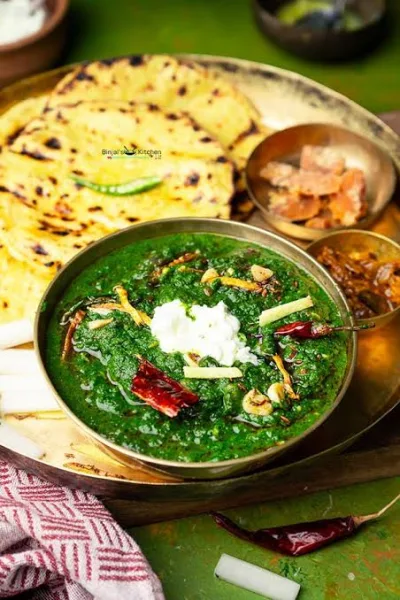
Sarson ka Saag
A thick, deeply savoury Punjabi winter dish of slow-cooked mustard greens and spinach, thickened with cornmeal and finished with a sizzling garlic-ginger ghee tarka. Best with makki ki roti.
 Pakistani
Tawa Naan
Soft, bubbly naan made with yogurt and milk, cooked on a hot tawa or in the oven. A dependable flatbread for karahi, daal and kababs, no tandoor needed.