How to Bhuna Masala Until the Oil Separates
The oil rising to the surface tells you the masala base is cooked. Here is how to get there, what to look for at each stage, and how to fix it when it goes wrong.
What "oil separates" actually means
Bhunna means to fry and stir a masala over steady heat until its moisture has cooked off. At the start, onion, tomato and spices sit in a wet, loose mixture with the oil mixed in. As the water evaporates, the paste tightens and the oil can no longer stay blended. It slides out and pools at the edges, often with a reddish tint from the chilli and tomato.
That is your signal that the base is done. Add water, meat or vegetables too early and the spices taste raw and sharp, and the gravy looks thin and pale. Get it right and the curry has depth and a glossy finish.
Set up before you turn on the heat
Bhunai moves quickly once it starts, so have everything ready.
- Pan: a heavy-bottomed degchi, karahi or wide pot. Thin pans scorch the masala before it cooks through.
- Oil or ghee: enough to coat the base of the pan generously. If you use too little, the oil has nothing to separate from and the masala sticks. Roughly 3–4 tablespoons suits a pot serving four to five.
- Onions: sliced or chopped evenly, so they brown at the same pace.
- Ginger-garlic paste, tomatoes and dry spices: measured out and within reach.
- A cup of hot water: for splashing in when the masala catches (more on this below).
The bhuna, step by step
1. Brown the onions
Heat the oil on medium. Add the onions with a pinch of salt, which draws out moisture and speeds up softening. Stir often until they turn a deep golden brown. This takes longer than most people expect, often 8–12 minutes depending on the quantity.
Don't rush this on high heat. Onions that are dark on the edges and raw in the middle give a bitter, uneven base.
2. Add ginger-garlic paste
Stir it in and cook for a minute or two, until the raw smell fades and it smells nutty. If it starts sticking, lower the heat and add a splash of water.
3. Add tomatoes
Add chopped or pureed tomatoes and stir well. Cover for a few minutes if the tomatoes are firm, to help them break down. Then uncover and mash them against the pan with your spoon.
Now you are cooking off water. The mixture will bubble loudly and look wet and chunky.
4. Add the dry spices
Once the tomatoes have collapsed into a soft mass, lower the heat to medium-low and add haldi, red chilli powder, coriander powder and salt. Stir constantly. Ground spices burn fast in a dry pan, so keep them moving and add a tablespoon of water whenever the base looks dry.
5. Keep going until the oil rises
This is the stage people cut short. Keep stirring and scraping the bottom of the pan. Over 8–10 minutes, you will see several changes:
- The bubbling gets quieter and less watery.
- The masala darkens and comes together into a thick paste.
- It starts to pull away from the sides and bottom of the pan as you stir.
- Small beads of oil appear at the edges, then spread into a visible ring or shine on top.
When the oil sits clearly on the surface and the paste looks glossy, the bhuna is done.
Fixing common problems
The masala keeps sticking. The heat is too high, or the pan is too dry. Lower the flame, add a tablespoon of hot water, and scrape the bottom well. This "chhent" or water splash loosens the browned bits and lets you keep cooking without burning the spices.
The spices smell burnt. Once ground spices turn acrid, it is hard to hide. If it has only just started, add water at once and continue. If the pan is blackened, it is better to start again than to serve a bitter curry.
The oil won't separate. Usually the base needs more time, or the heat is too low for evaporation. Raise the heat slightly and stir continuously. Also check the quantity: a very large amount of tomato needs proportionally longer.
Too much oil pooling. Some separation is normal, but a very oily curry may mean the recipe used more fat than needed. Next time, reduce the oil by a tablespoon. For now, spoon some off the top before serving.
The masala is dry and pasty. You've gone a little far. Add a splash of hot water and stir until it loosens, then carry on with the recipe.
Use the bhuna in real dishes
The method is the same across most Pakistani salans. What changes is what goes in afterwards.
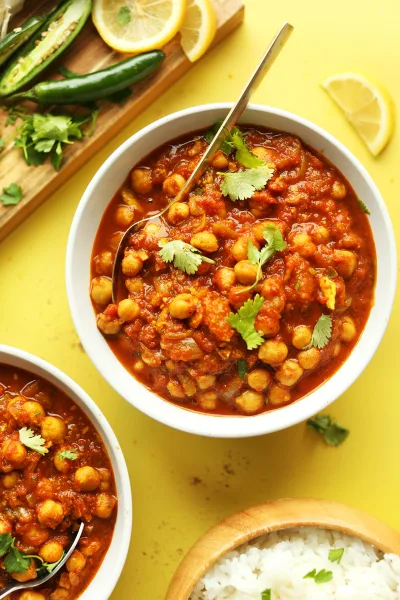
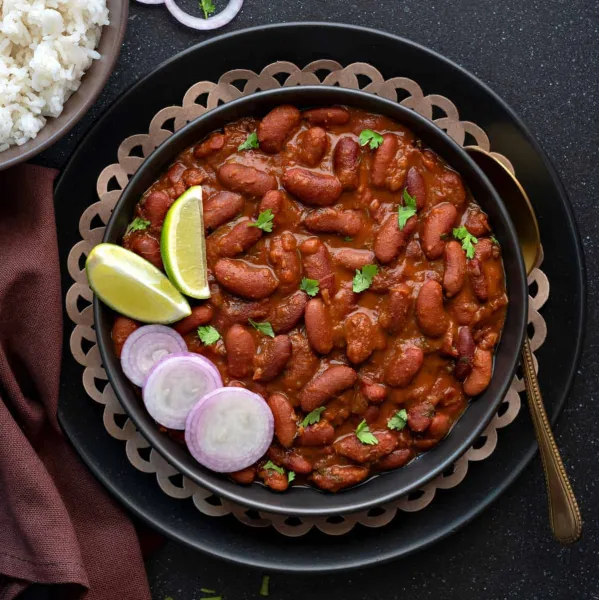
- Legumes: in Chana Masala and Rajma Masala, a well-bhuna'd base coats the beans and gives the gravy body. Add the cooked legumes and a little of their cooking liquid only after the oil has separated.
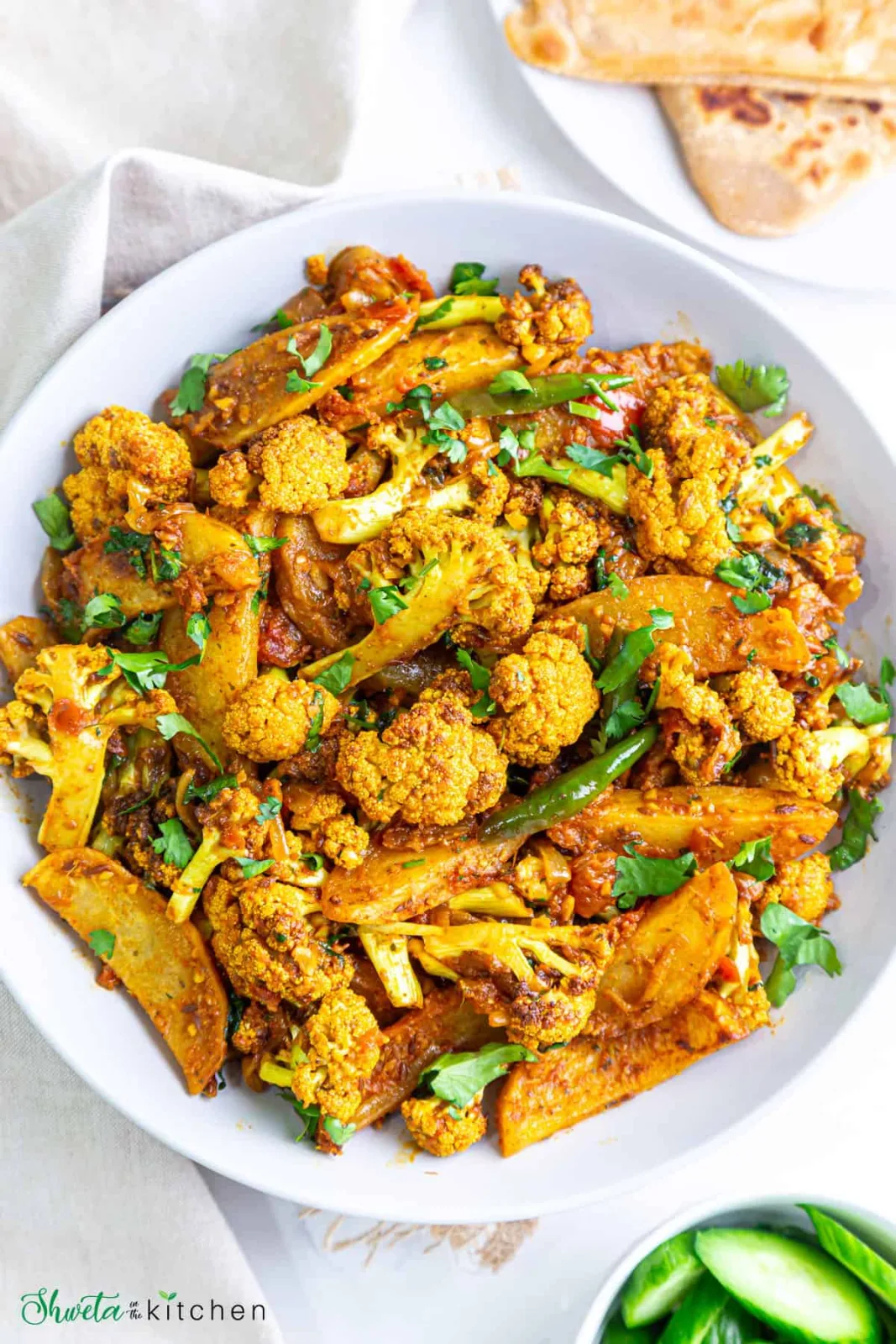
- Dry vegetable dishes: in Aloo Gobi (Dry-Style Potato and Cauliflower Masala), the masala clings to the vegetables rather than forming a gravy, so a properly cooked base means no raw spice taste in the final dish.
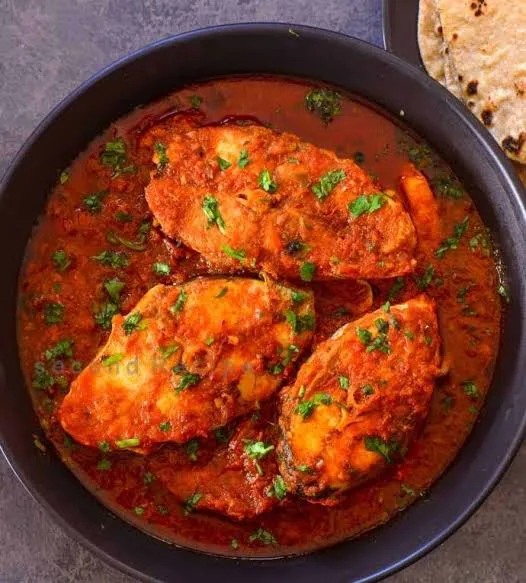
- Fish: for Masala Fish Curry, the base still needs to be cooked until the oil rises, but fish is delicate. Add it once the masala is ready and simmer gently so it doesn't break apart.
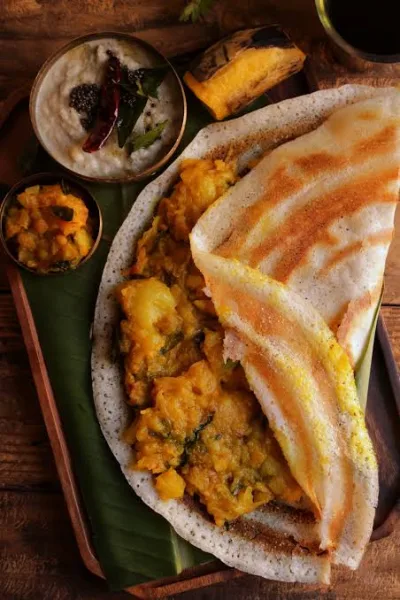
Not every "masala" dish needs a long bhuna. A quick Masala Omelette uses raw chopped onion, chilli and spices folded into egg, and Masala Dosa has a lightly cooked potato filling. The extended frying described here is for gravy-based curries.
A quick checklist for tonight
- Use a heavy pan and enough oil to coat the base.
- Brown the onions properly before adding anything else.
- Cook the tomatoes until they are completely soft and no longer watery.
- Lower the heat before adding ground spices, and stir constantly.
- Add small splashes of hot water when the masala sticks, not large amounts.
- Wait for the oil to appear on the surface before adding your main ingredient.
With a few attempts, the visual cues will become familiar. Once you learn to recognise them, you'll be able to tell when a masala base is ready at a glance.
 Pakistani
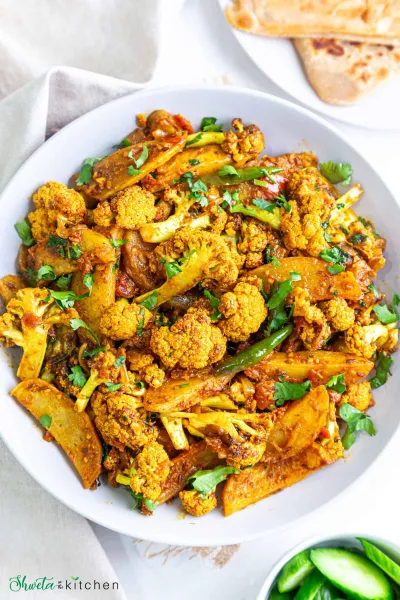
Aloo Gobi
A dry, gently spiced curry of potato and cauliflower with cumin, turmeric and fresh ginger. Easy to make in one pan and good with hot roti for a weekday lunch.
 Indian
Chana Masala
Chickpeas in a dark, tangy onion-tomato masala with amchur and garam masala. Pantry cooking at its best.
 Indian
Masala Dosa
Thin, crisp fermented rice and lentil crepes wrapped around a turmeric potato and onion filling. Start the batter a day ahead, and you'll have a weekend breakfast that's worth the wait.
 Pakistani
Masala Fish Curry
Firm fish steaks simmered in a bold onion-tomato masala with cumin, fenugreek and green chillies. It's a quick weeknight curry that goes well with plain rice or roti.
 Pakistani
Masala Omelette
The dhaba-style omelette: eggs beaten with onion, tomato, green chili and coriander, cooked thin and folded.
 Indian
Rajma Masala
Soft red kidney beans simmered in a thick onion and tomato gravy with warm spices. It's a filling, everyday North Indian lunch that tastes best over steamed rice.